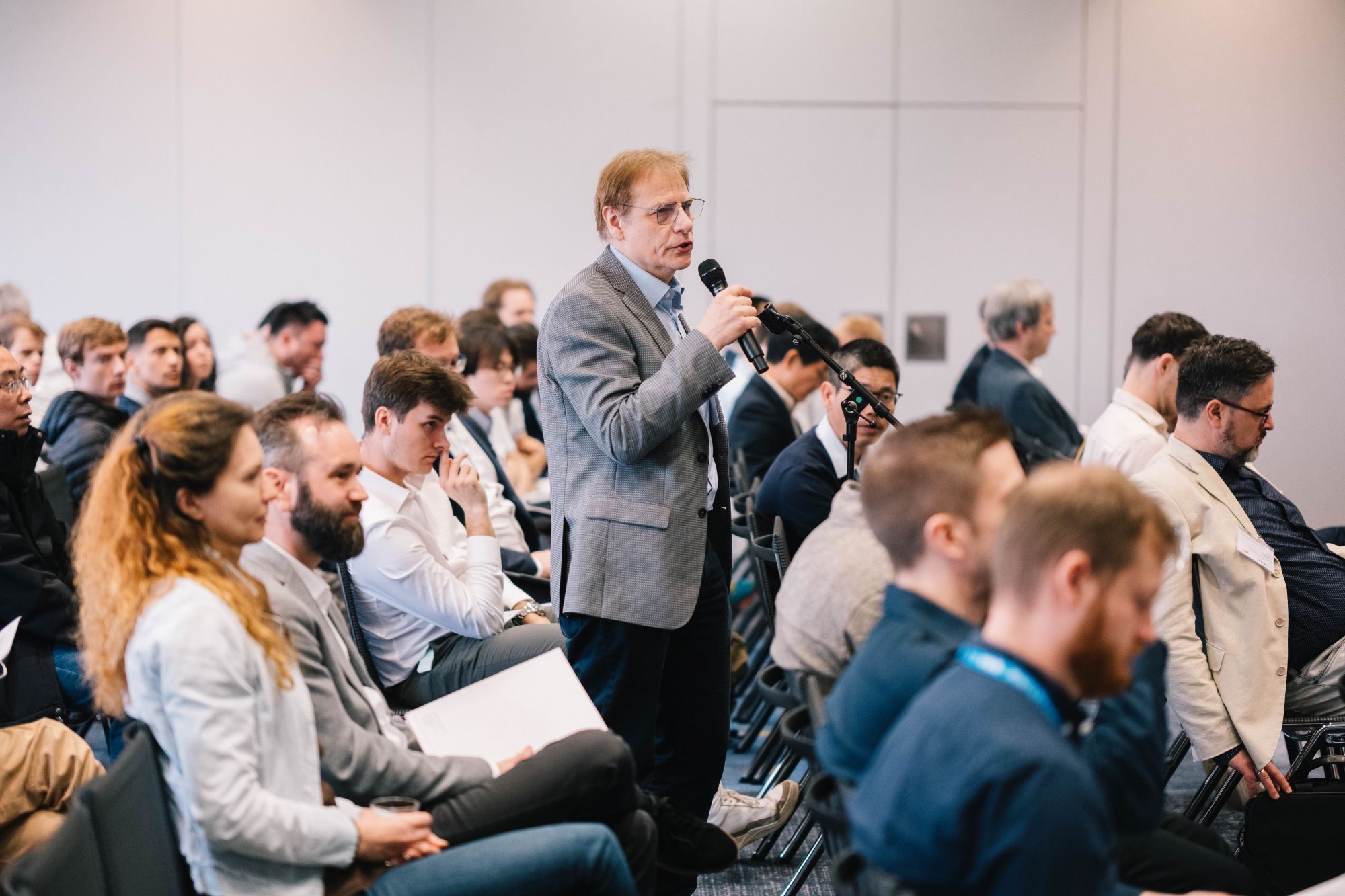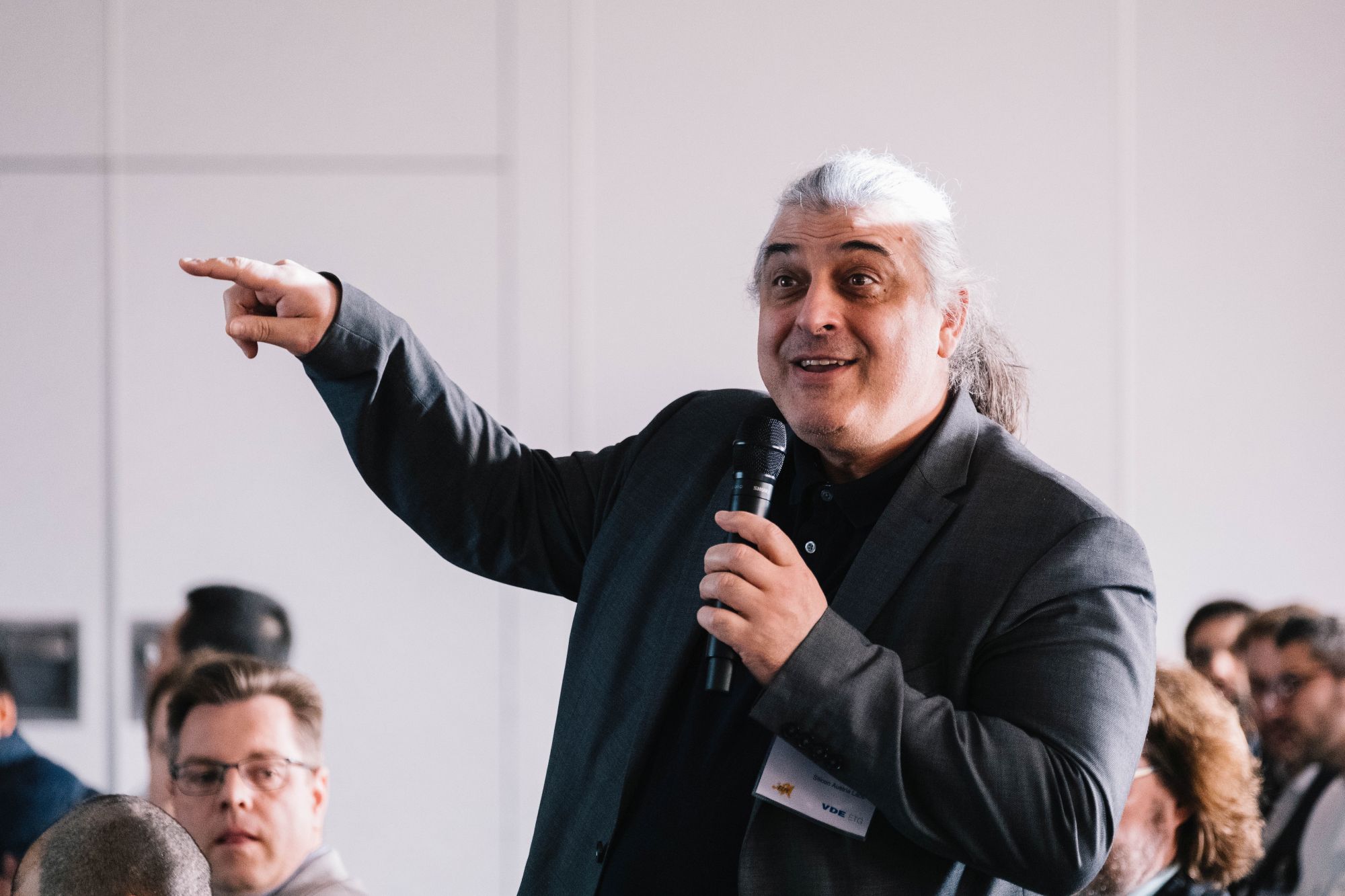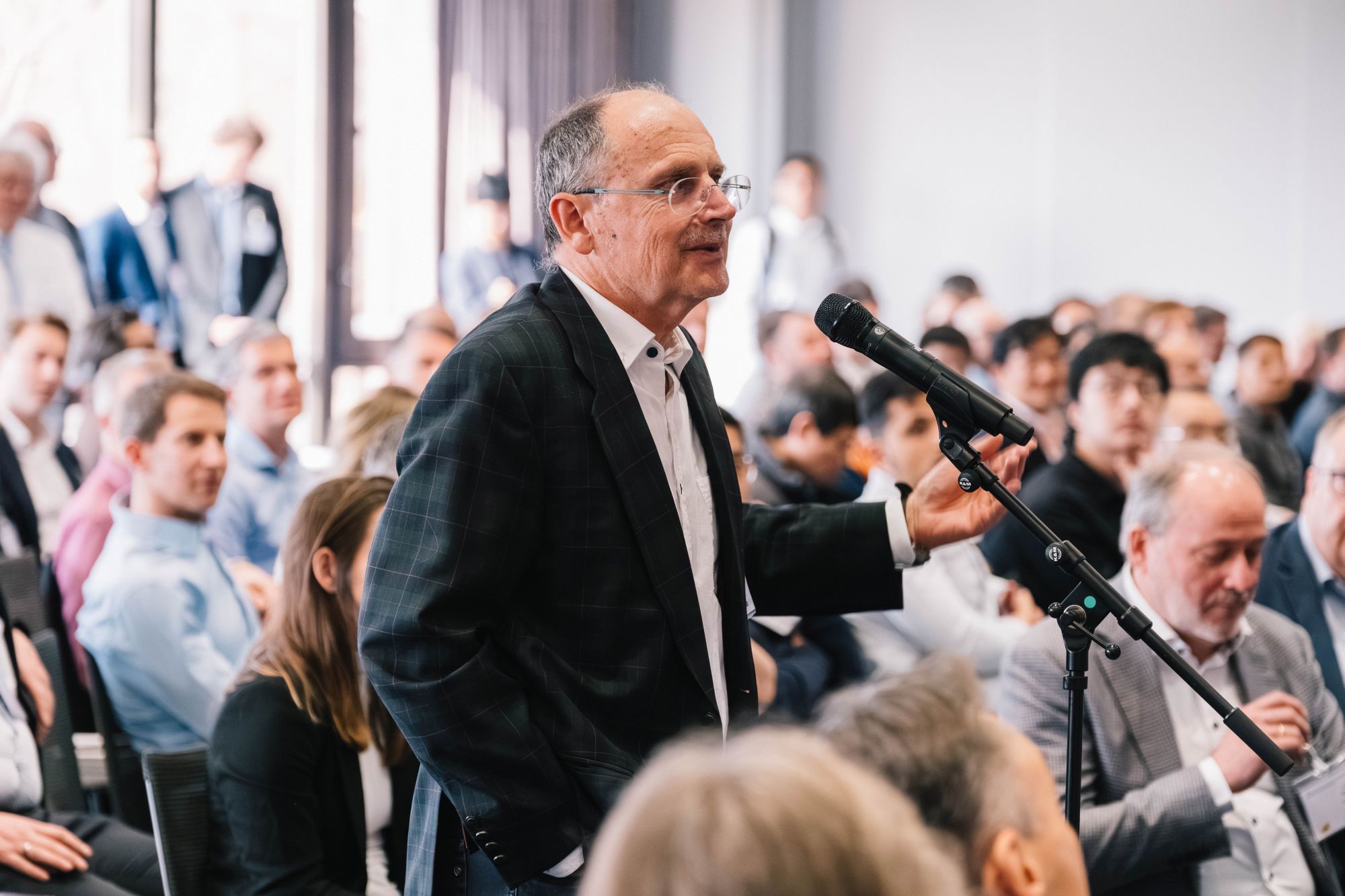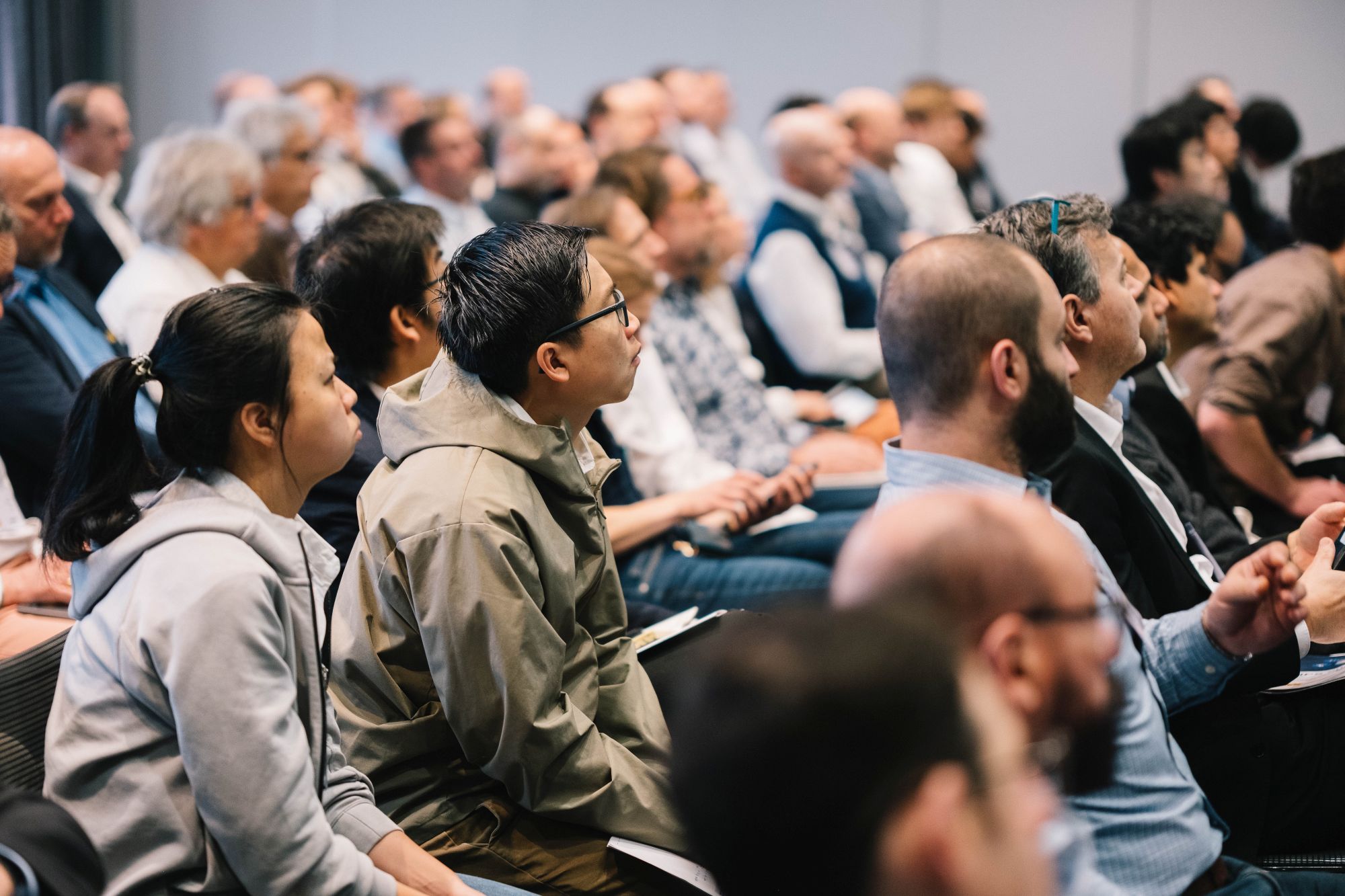


Power electronics has become a cornerstone technology for achieving energy efficiency, and sustainable economic development. As energy systems, mobility solutions, and industrial processes undergo rapid electrification, the ability to convert, control, and condition electrical energy with minimal losses is more critical than ever. Modern power electronic systems enable higher efficiency across all voltage and power classes, reducing operational energy consumption without driving up system costs.
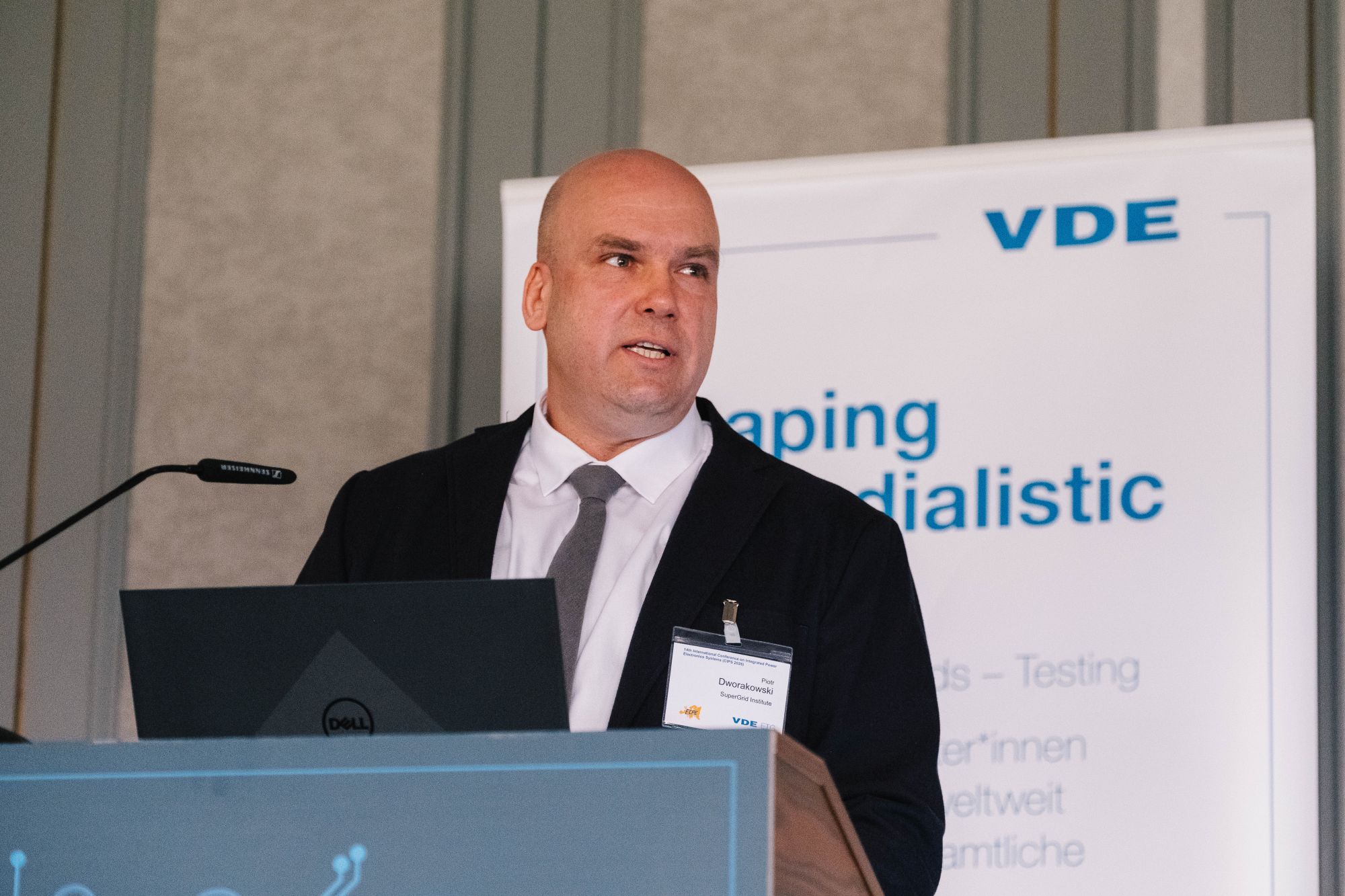
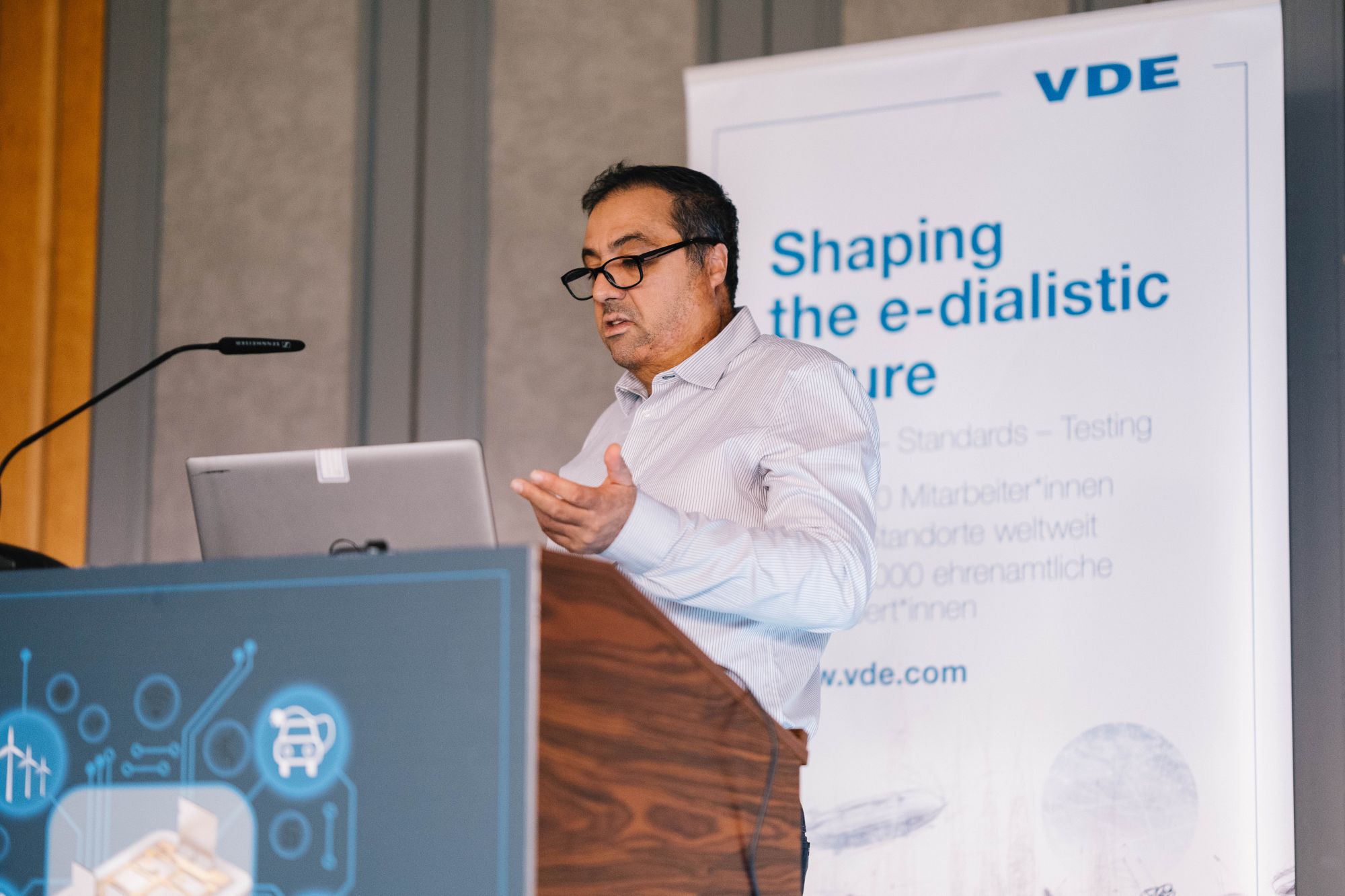
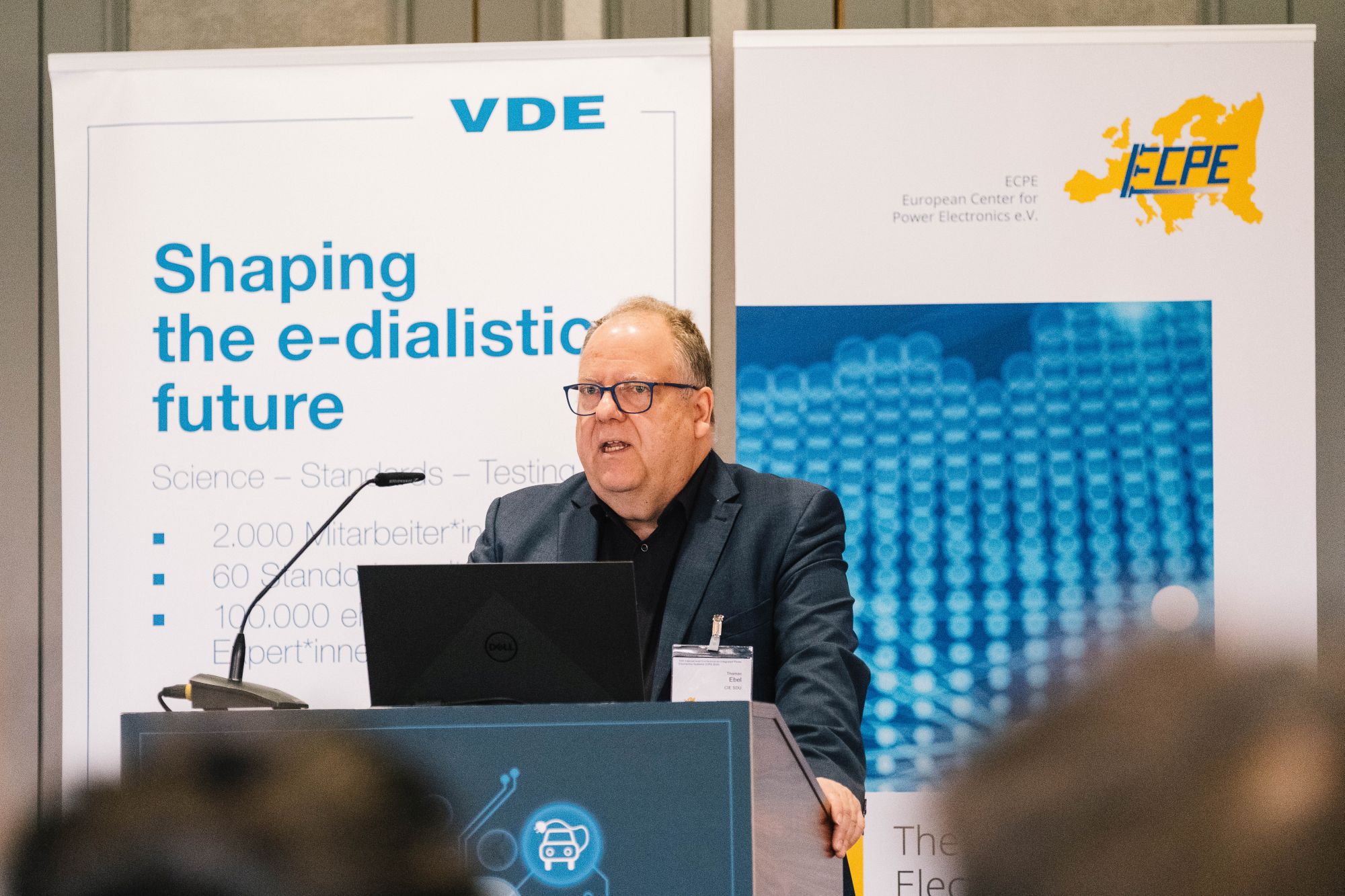
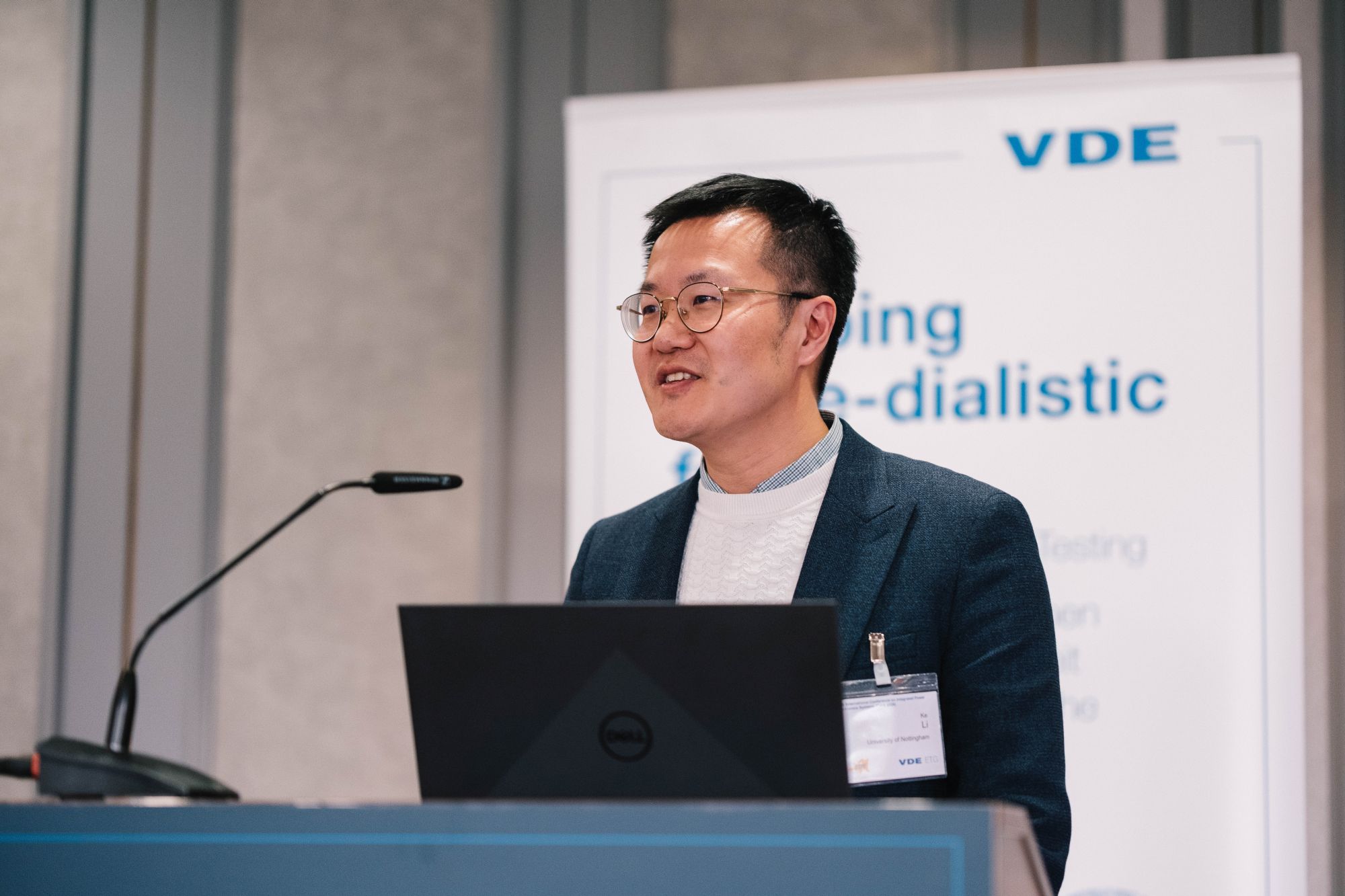
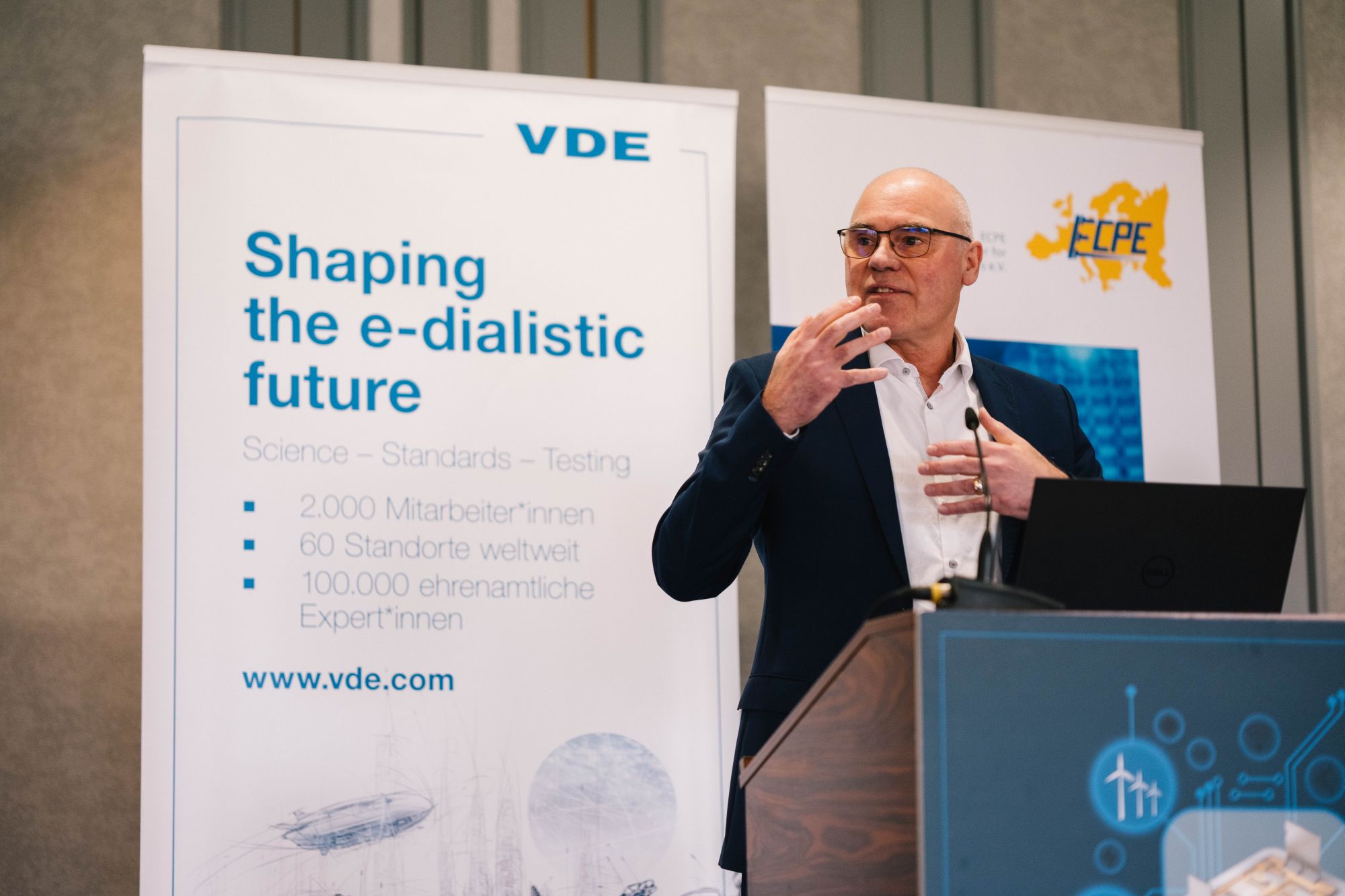
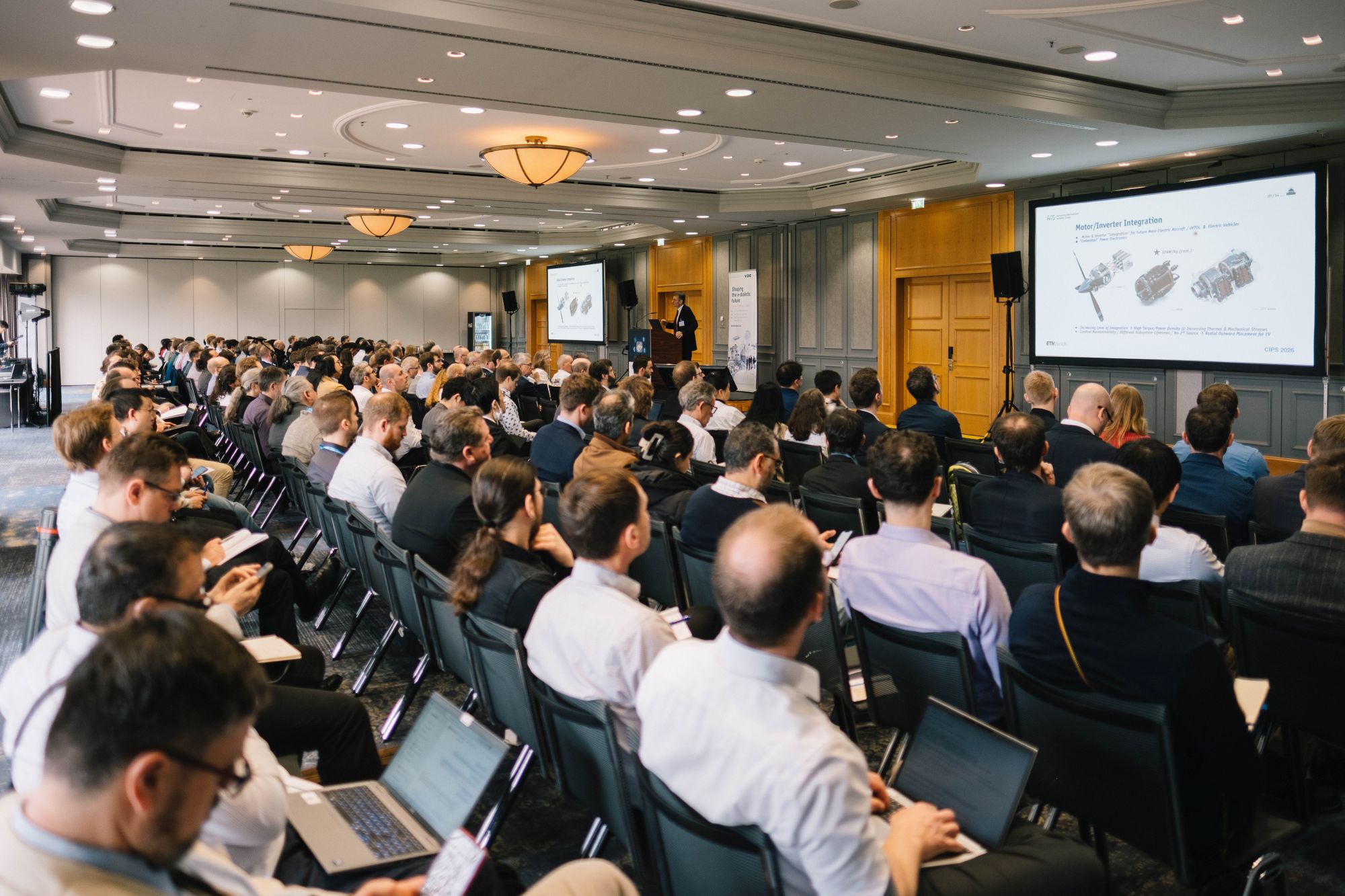
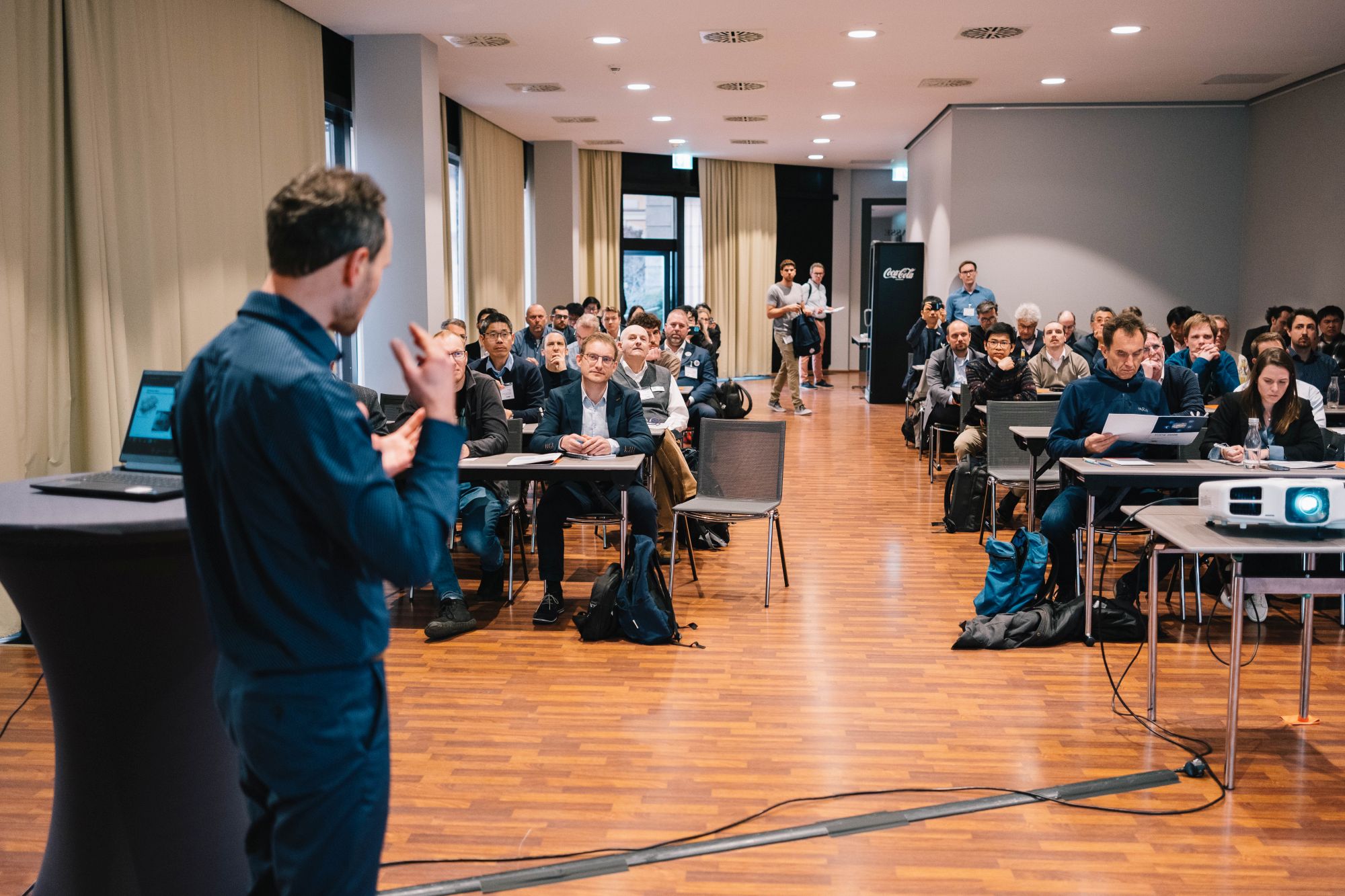
The CIPS 2026 Conference on Integrated Power Electronics Systems, held from 10 to 12 March 2026 in Dresden, demonstrated how technological progress is being driven by wide band gap (WBG) devices such as GaN and SiC, by advances in packaging technologies, and by deep system integration. Keynotes and invited presentations — ranging from "Integration – A Major Driver of Power Electronics Innovation" to insights on GaN and SiC reliability, advanced packaging concepts, and EMI robust high frequency topologies — highlighted how these innovations collectively enable higher switching frequencies, greater power density, and significantly improved reliability. System-level approaches, including mechatronic integration and AI supported design methods, further underline the interdisciplinary nature of today’s development landscape.
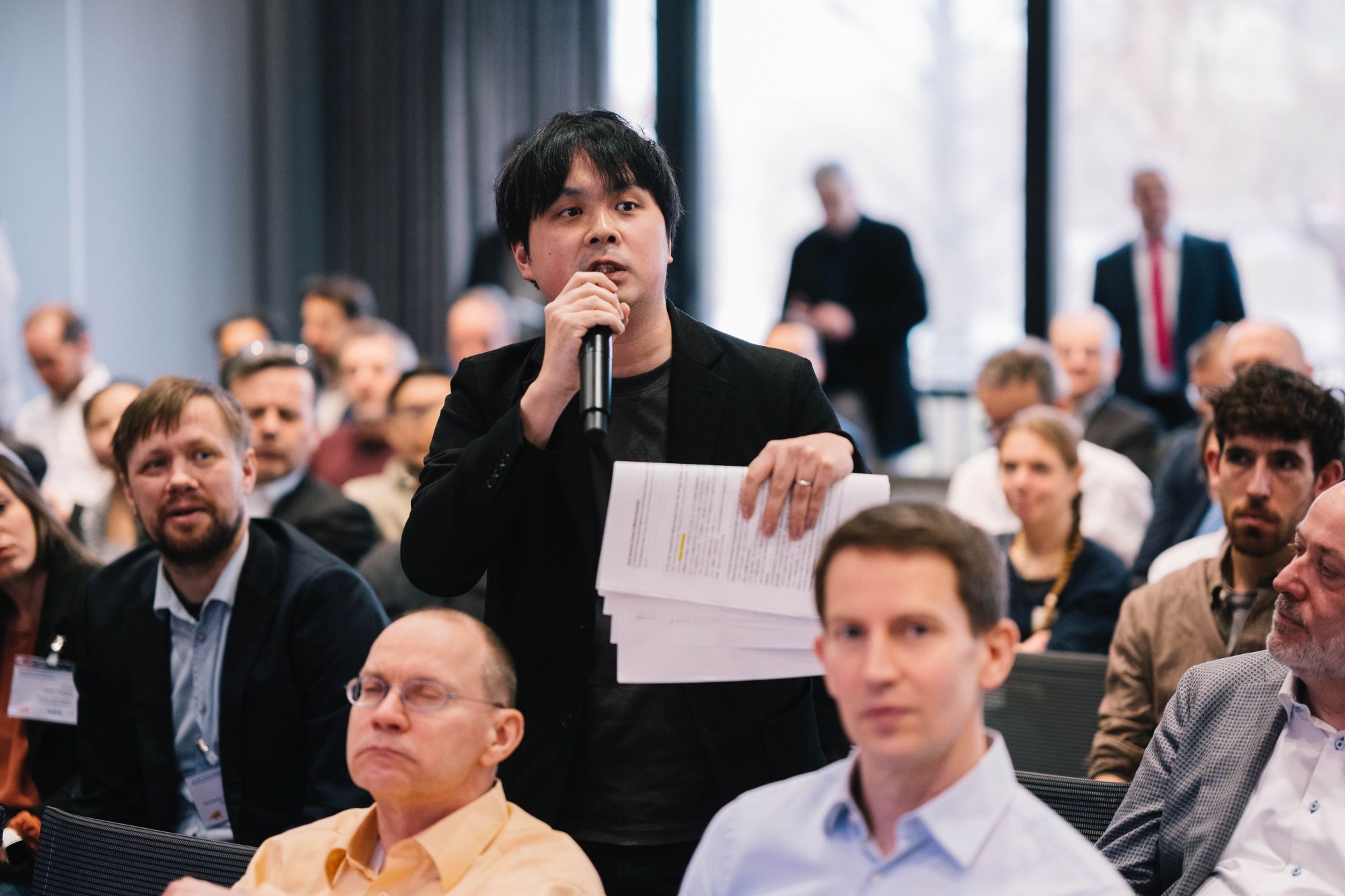
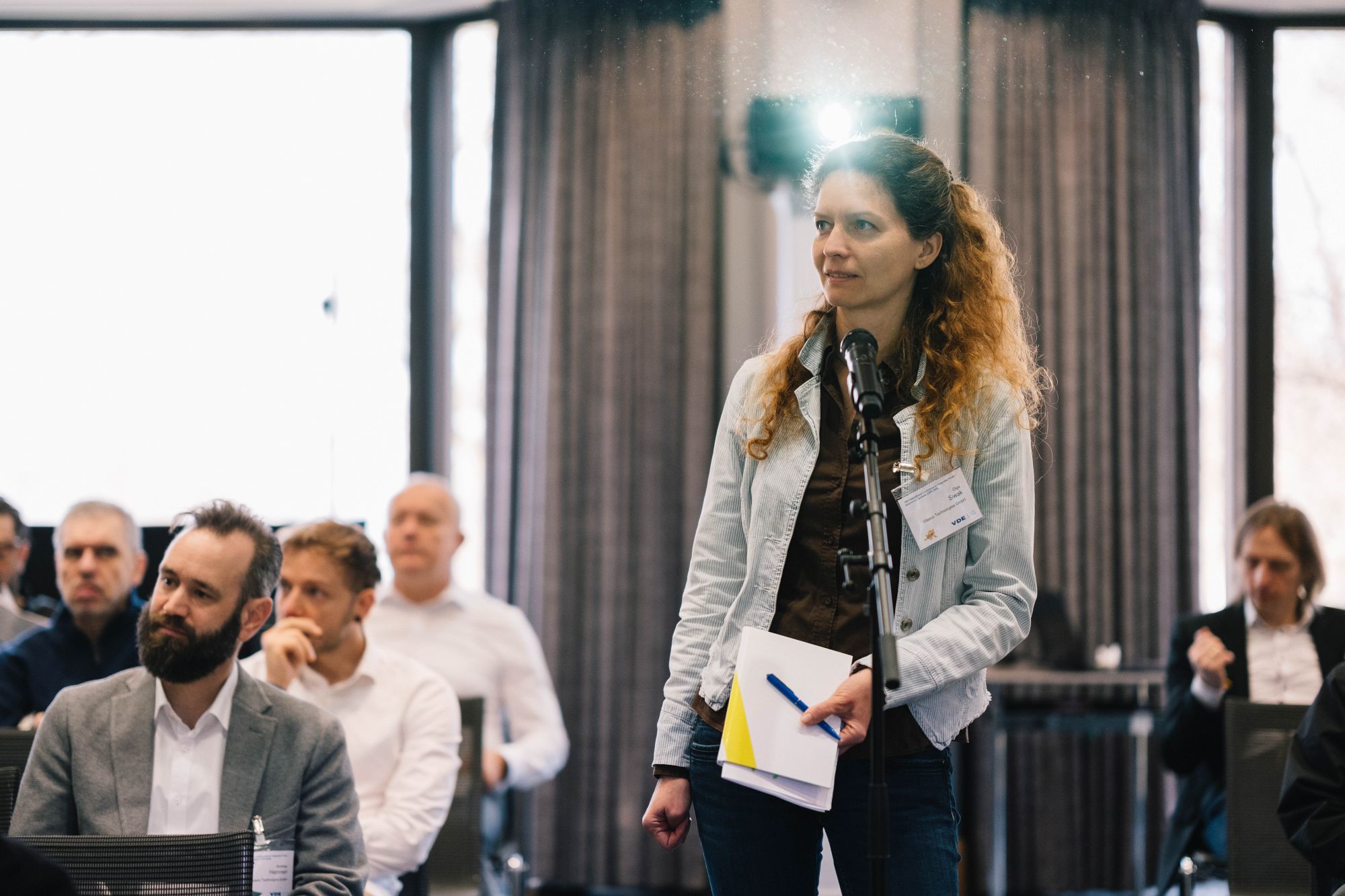
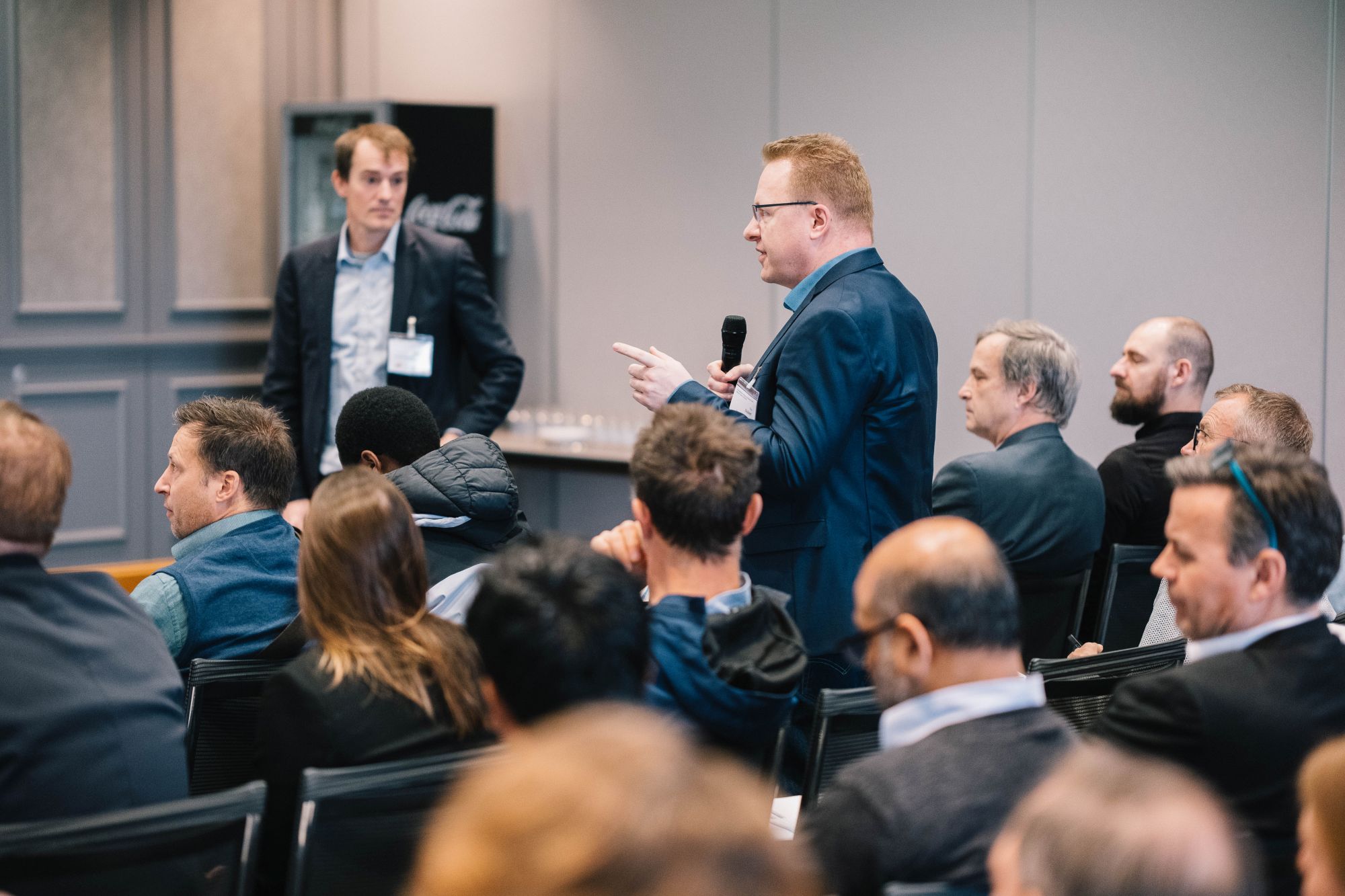
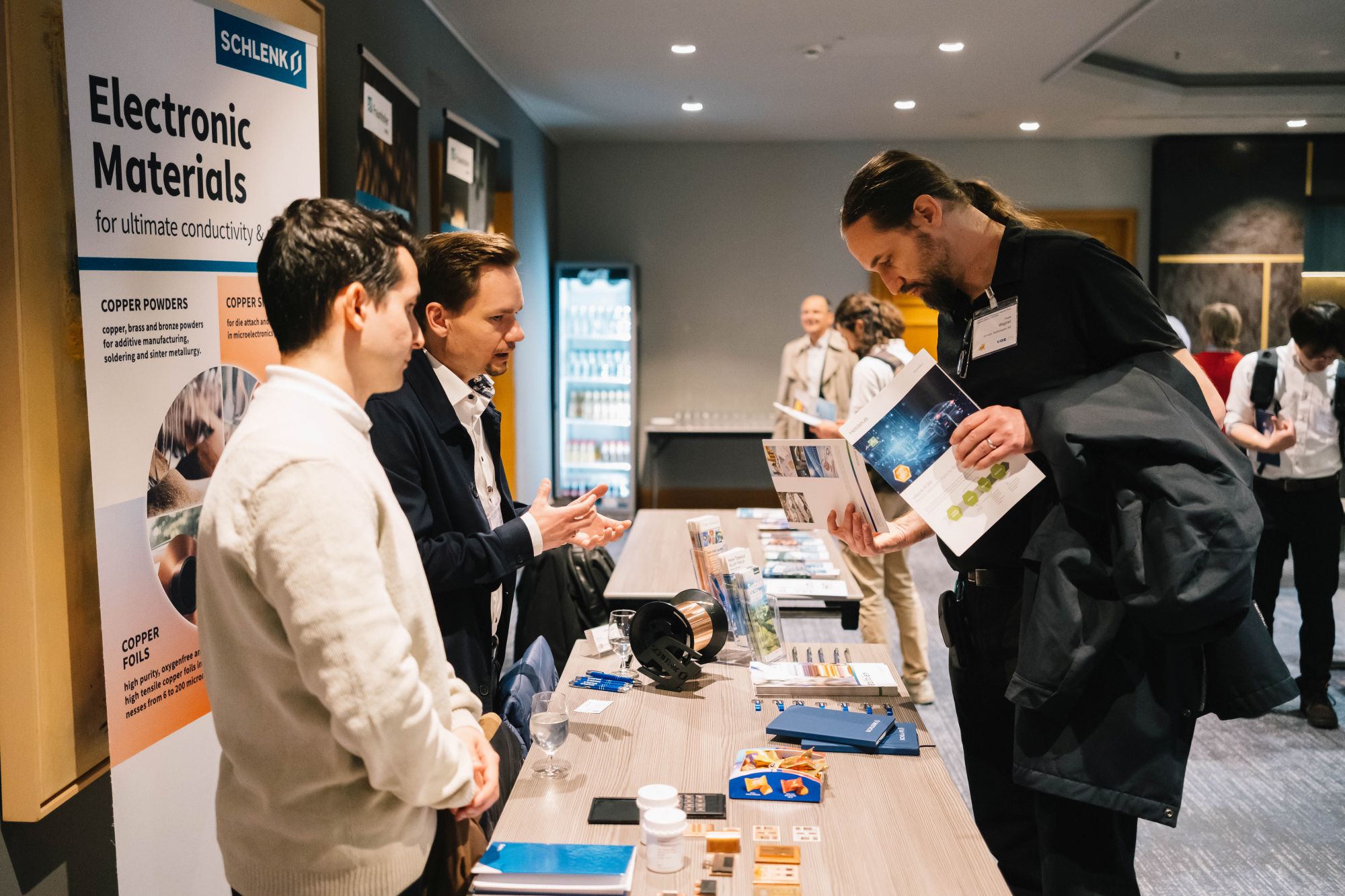
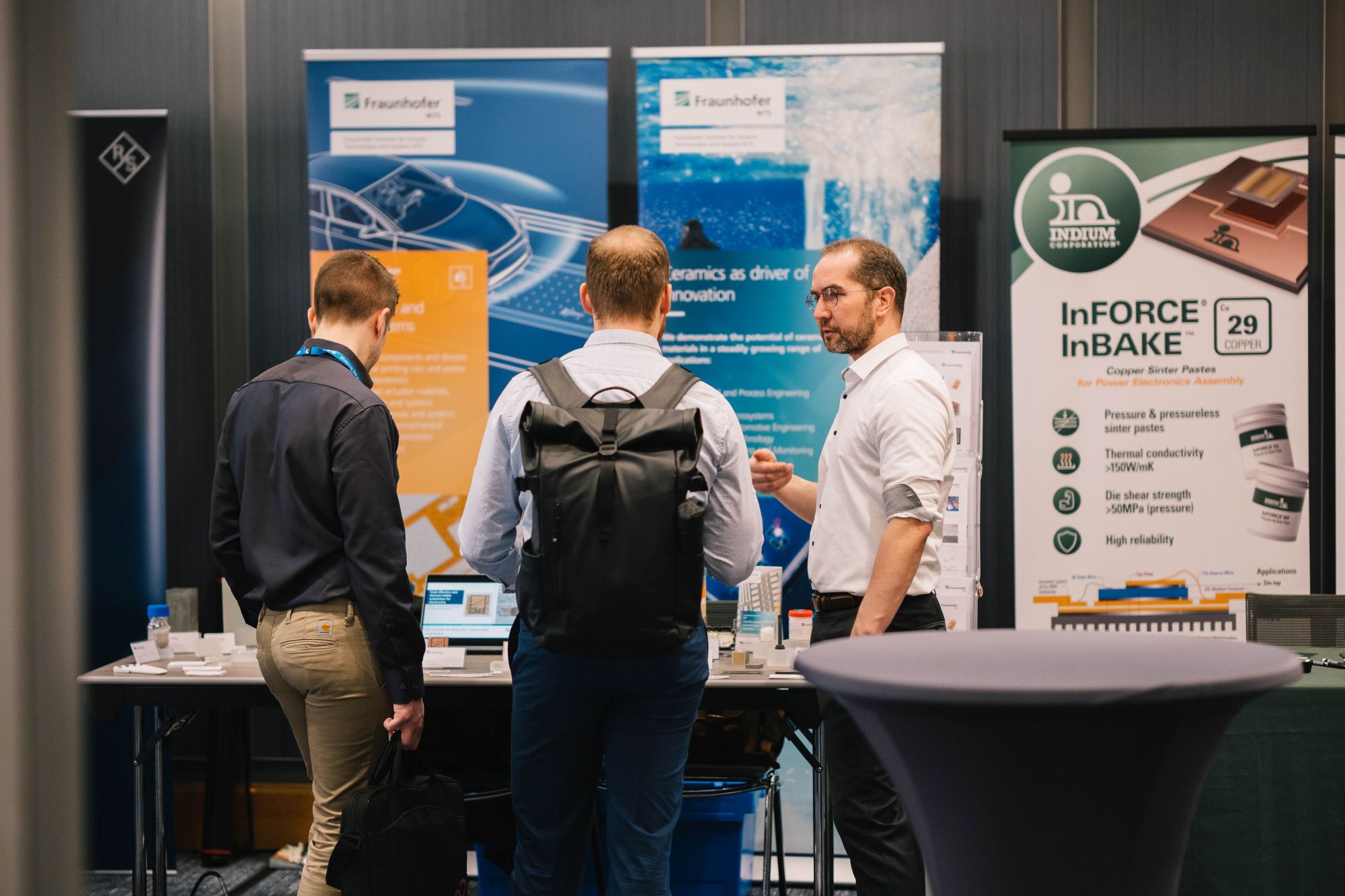
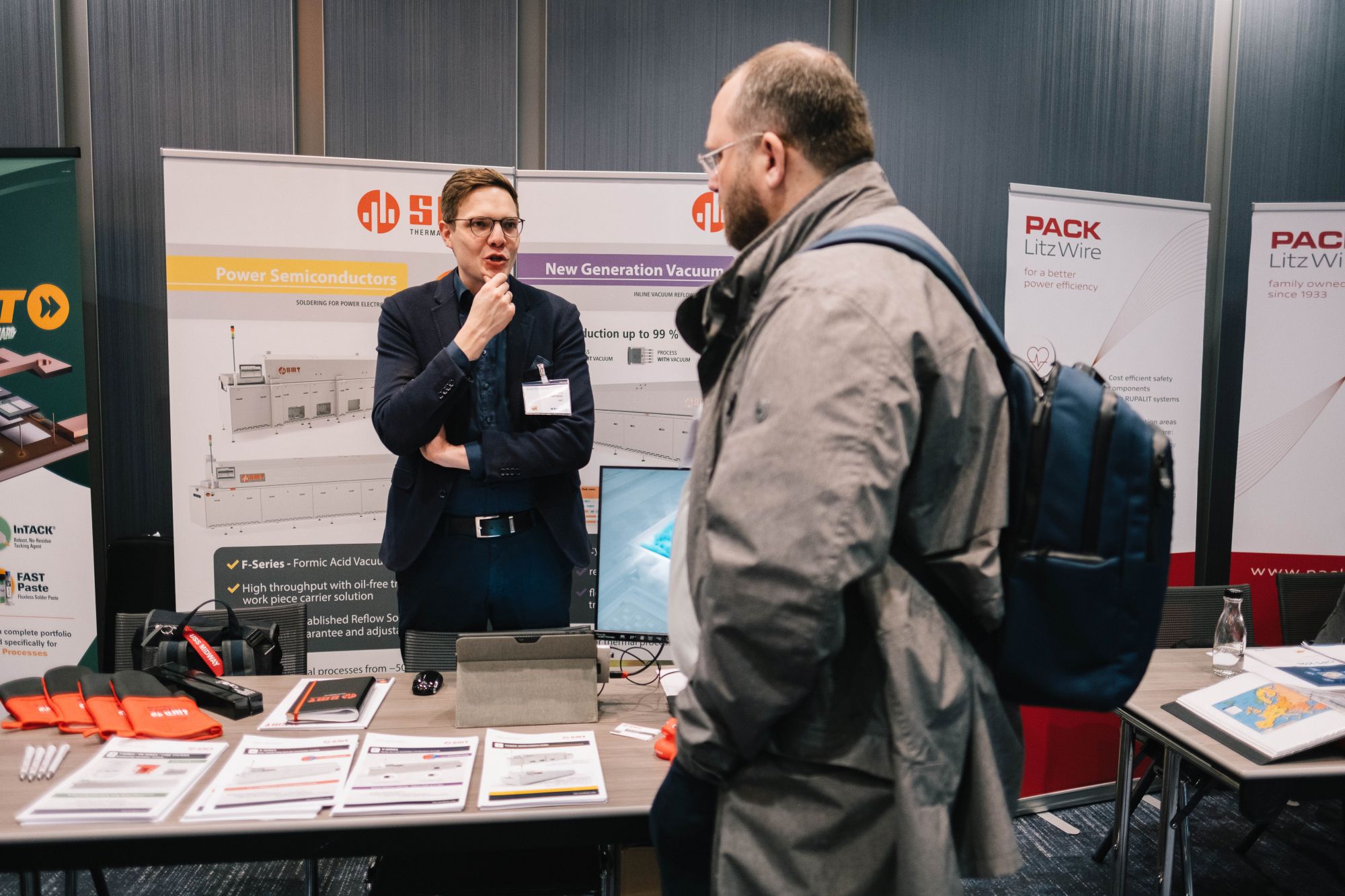
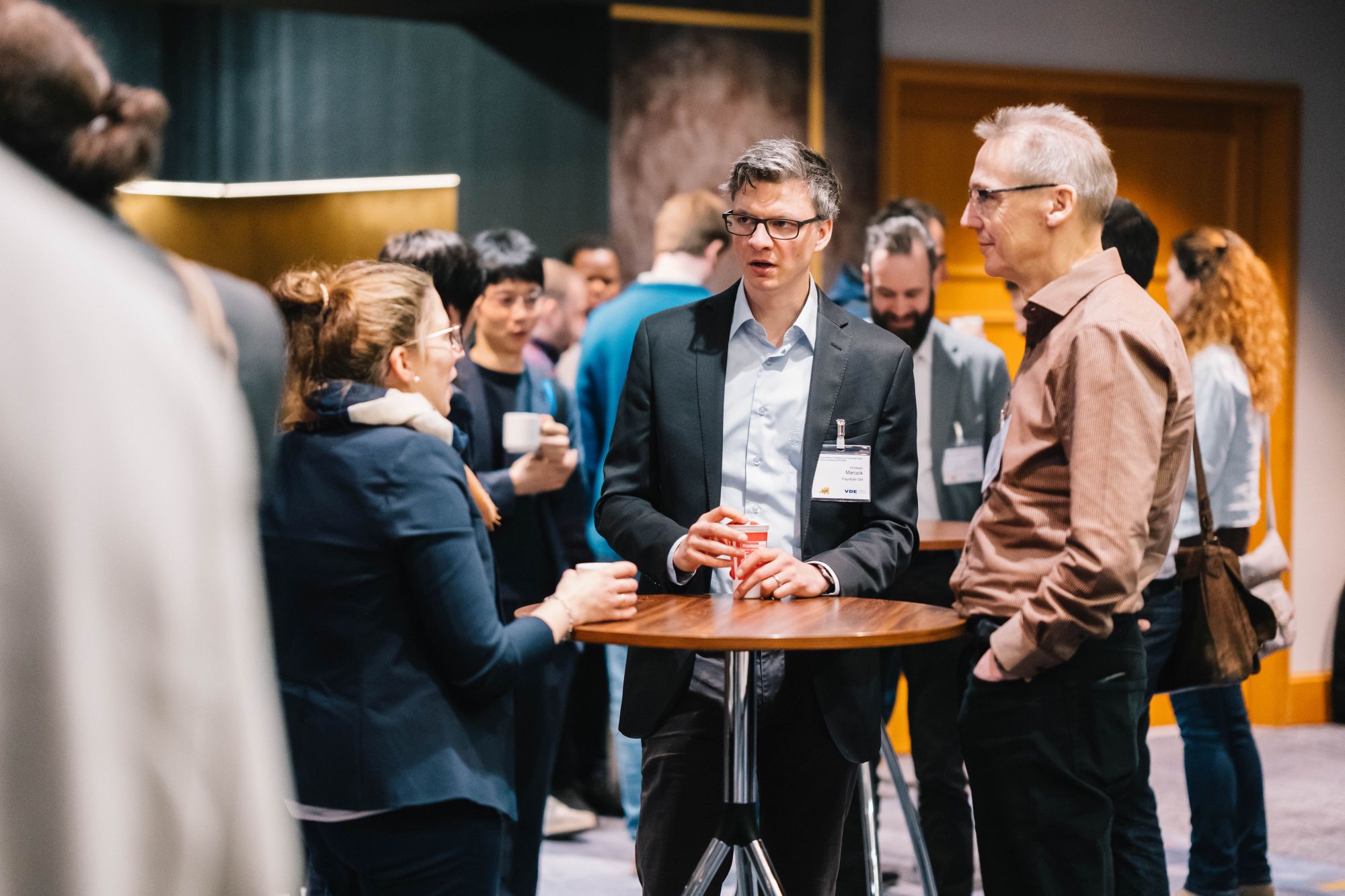
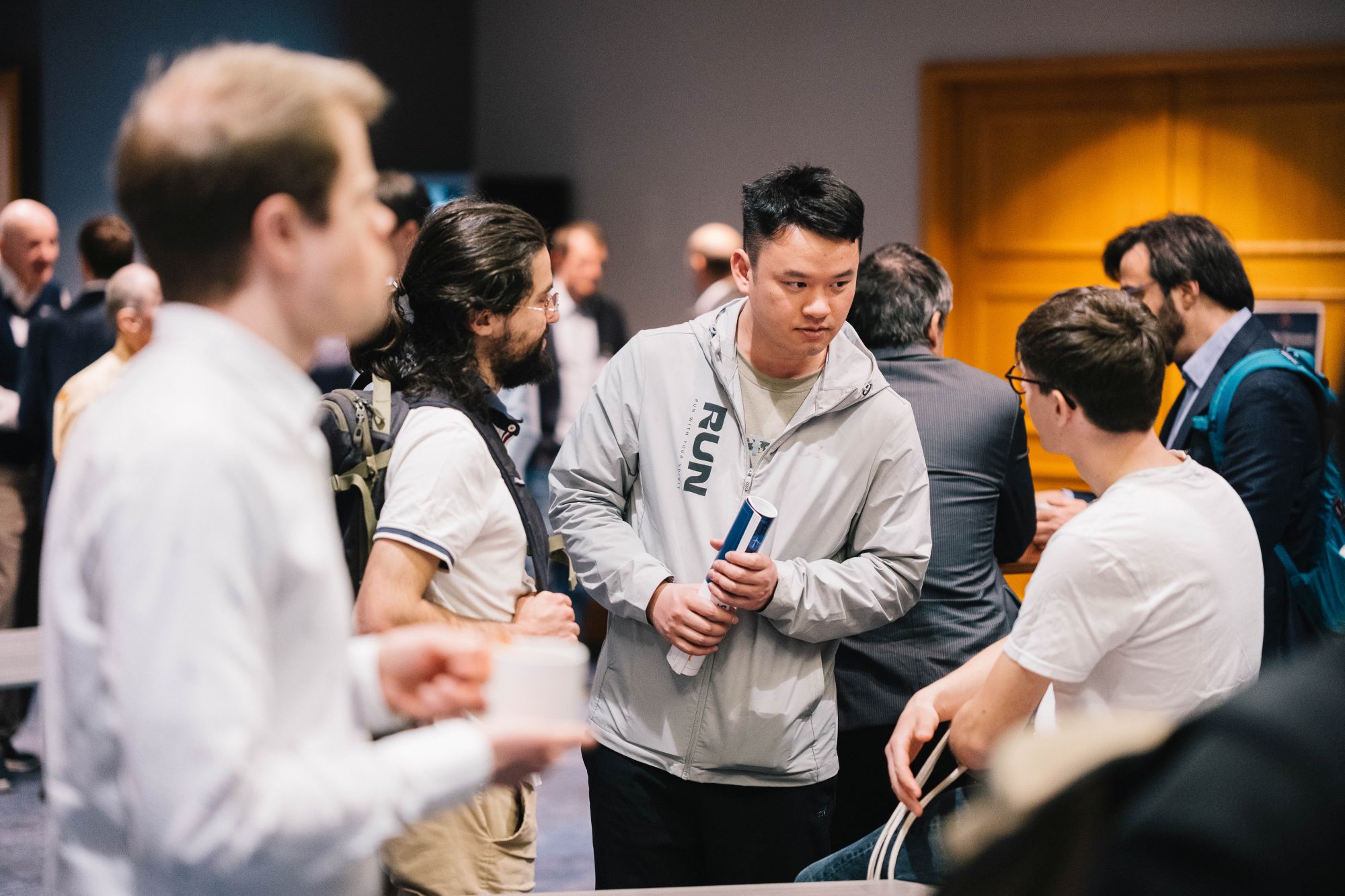
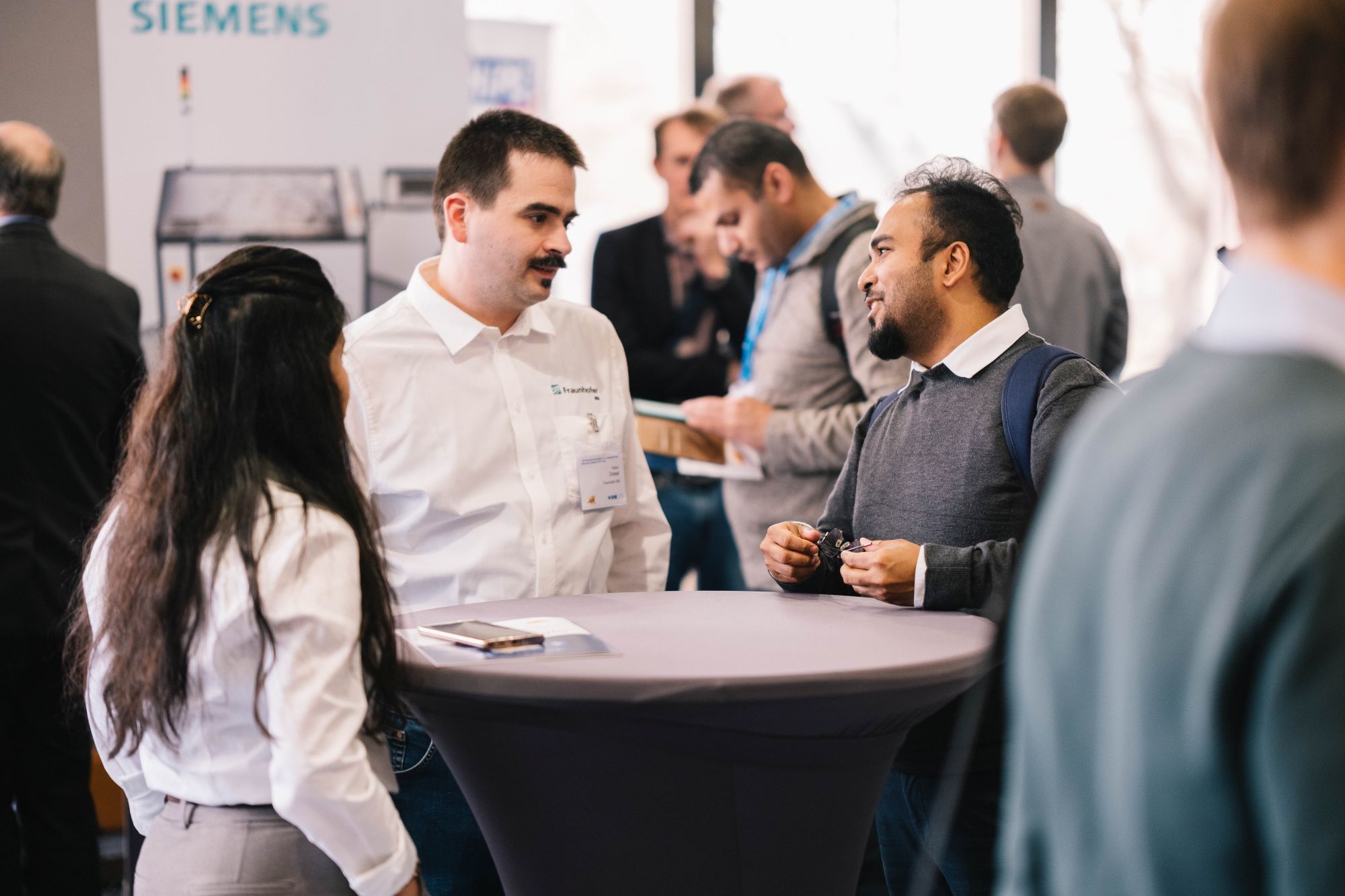
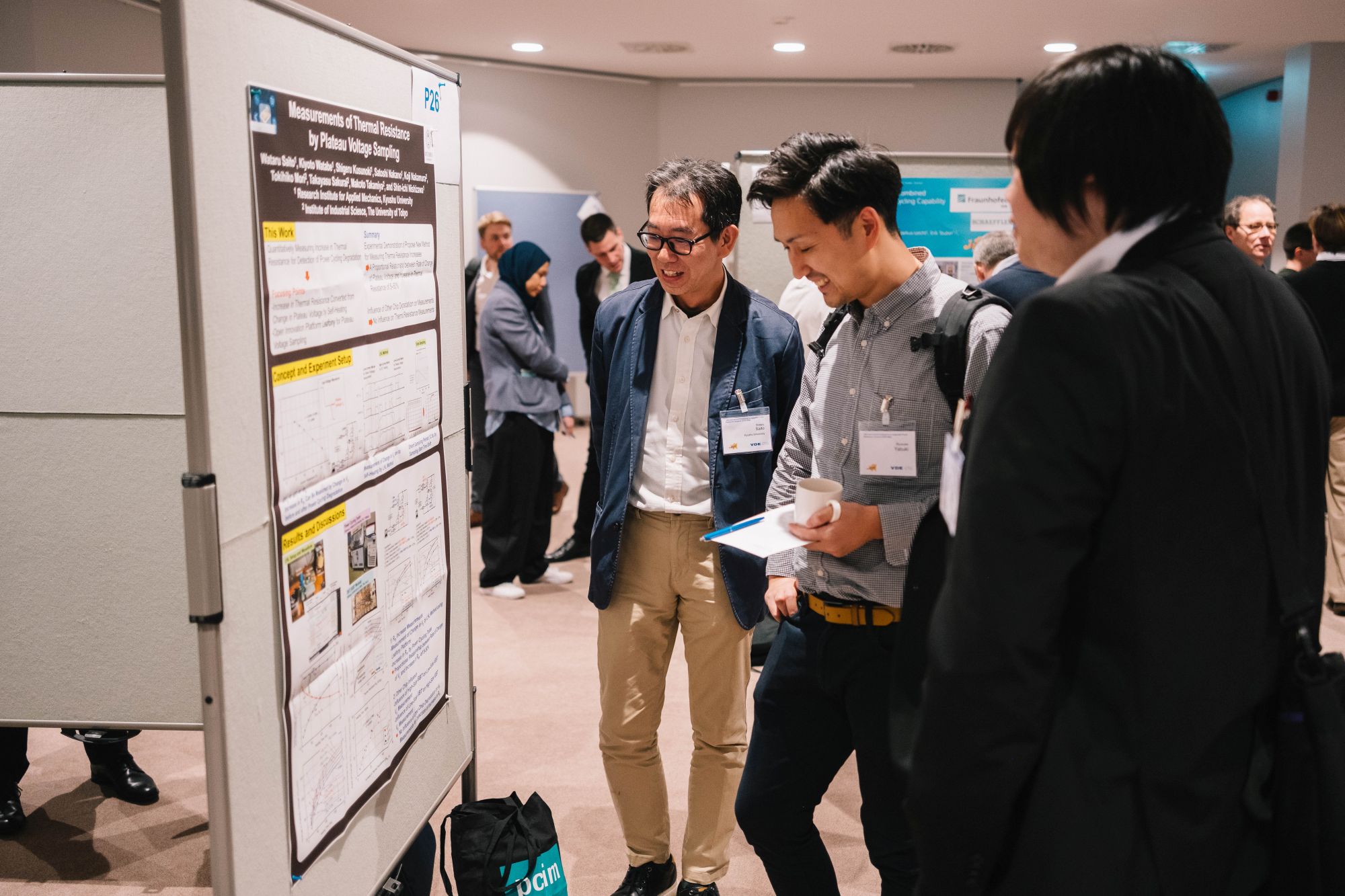
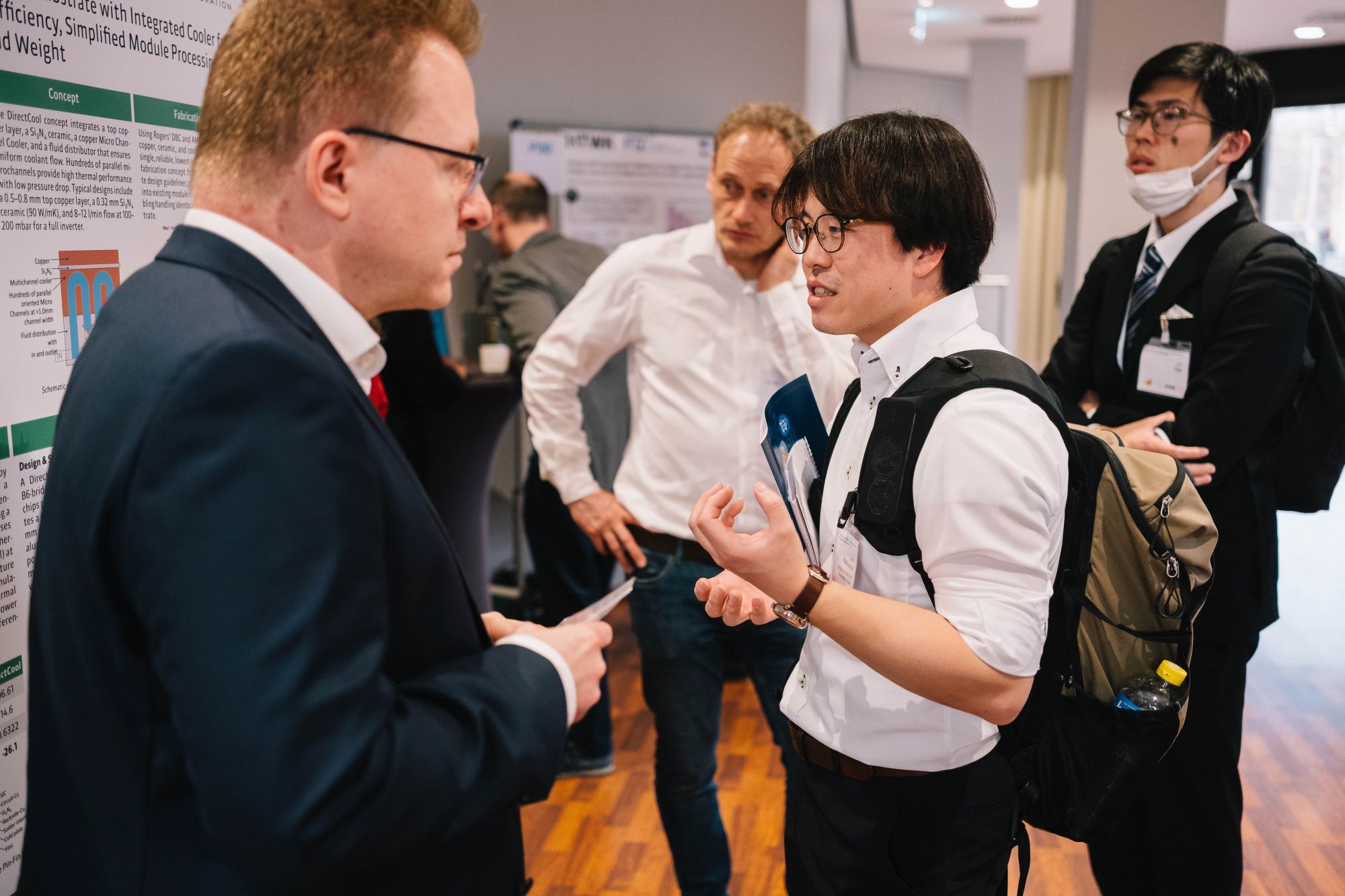
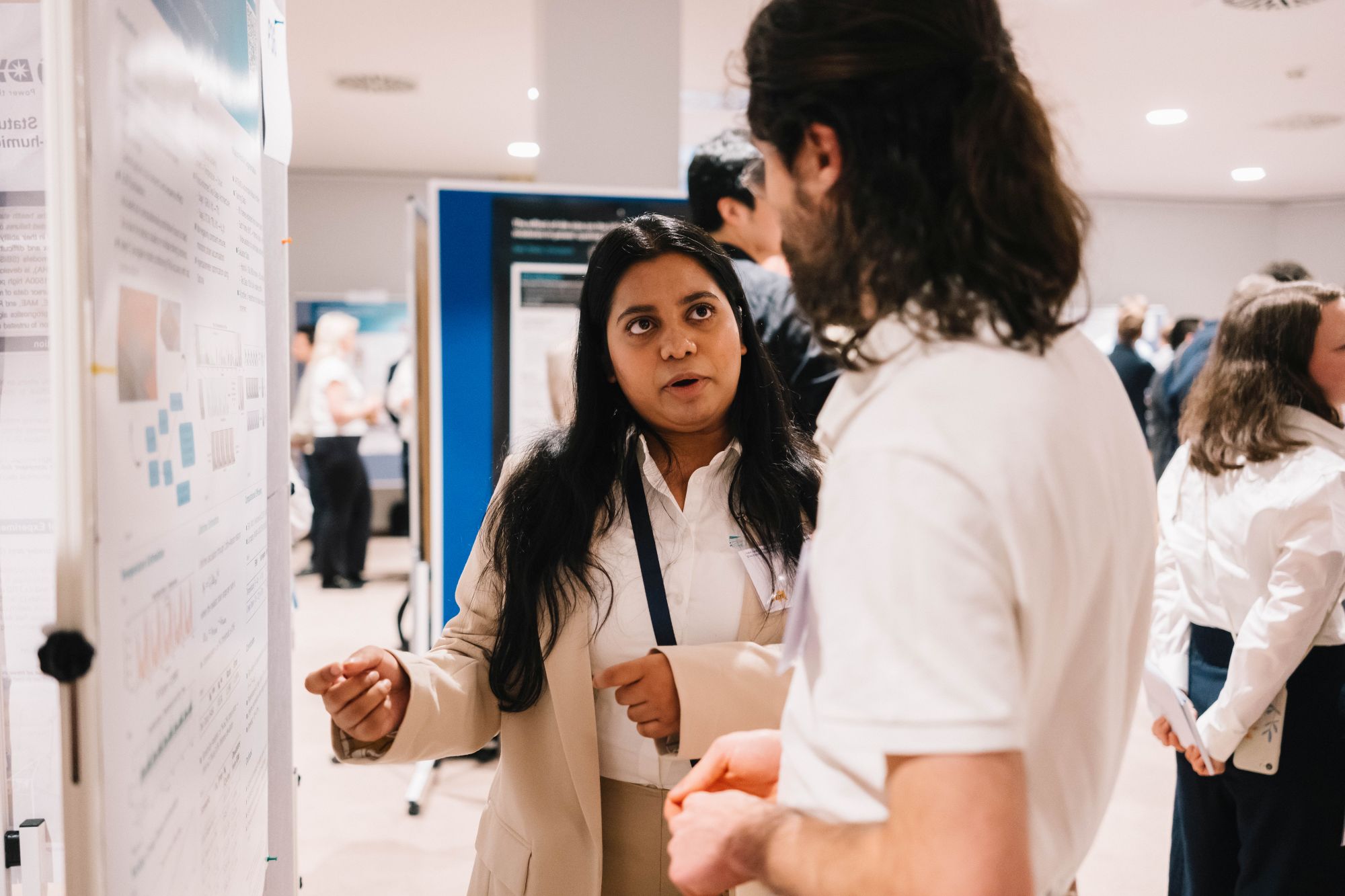
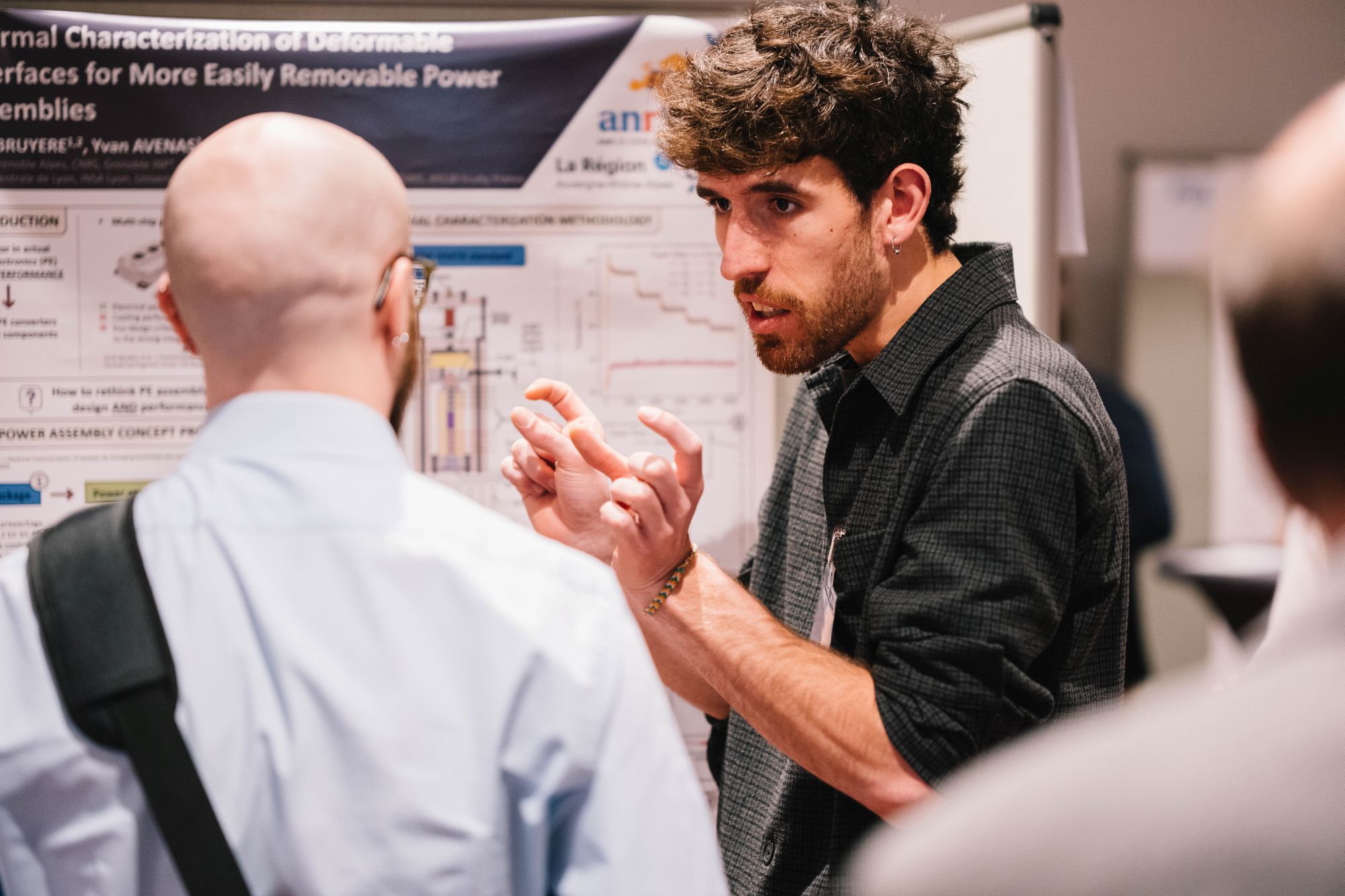
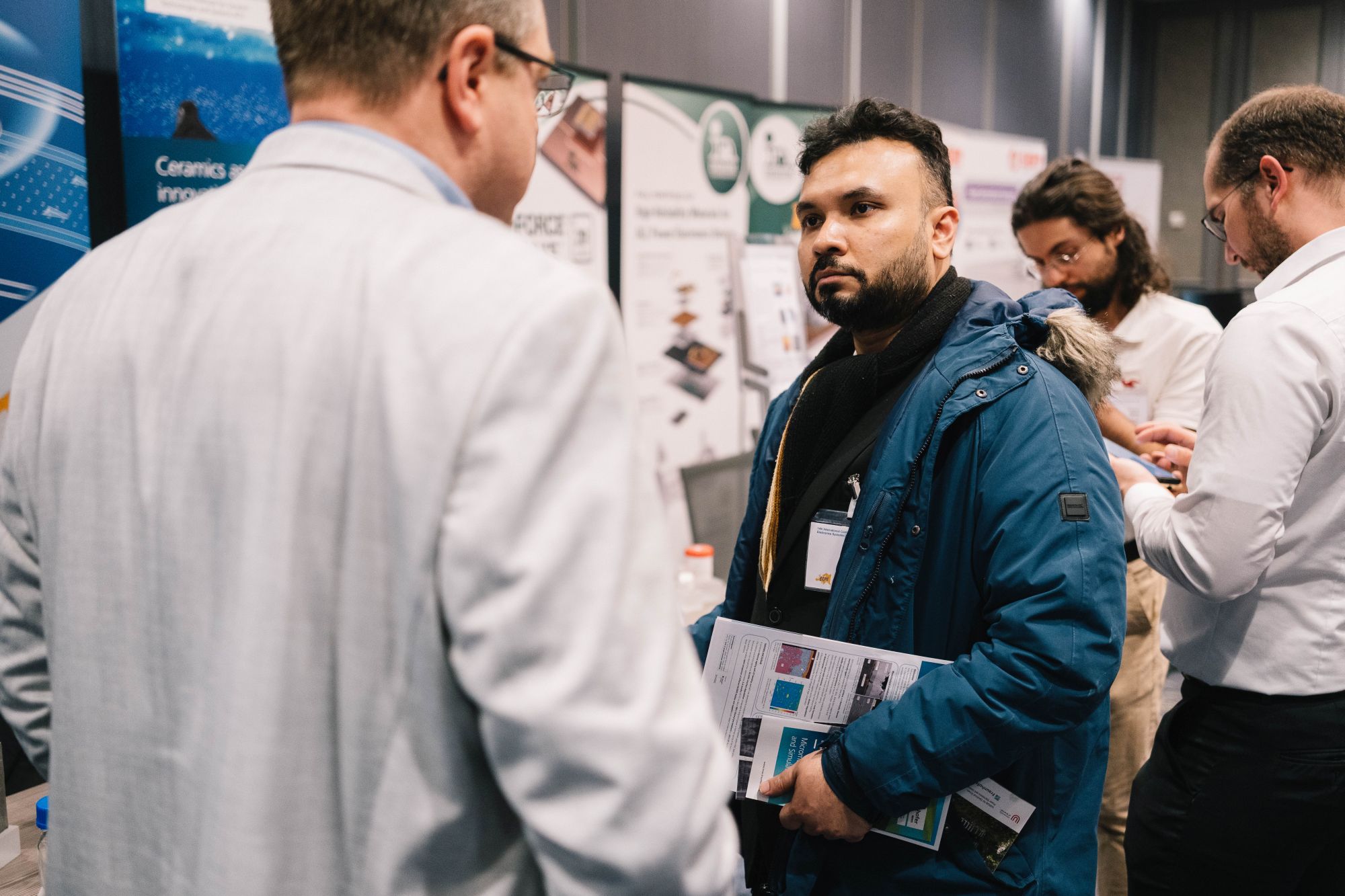
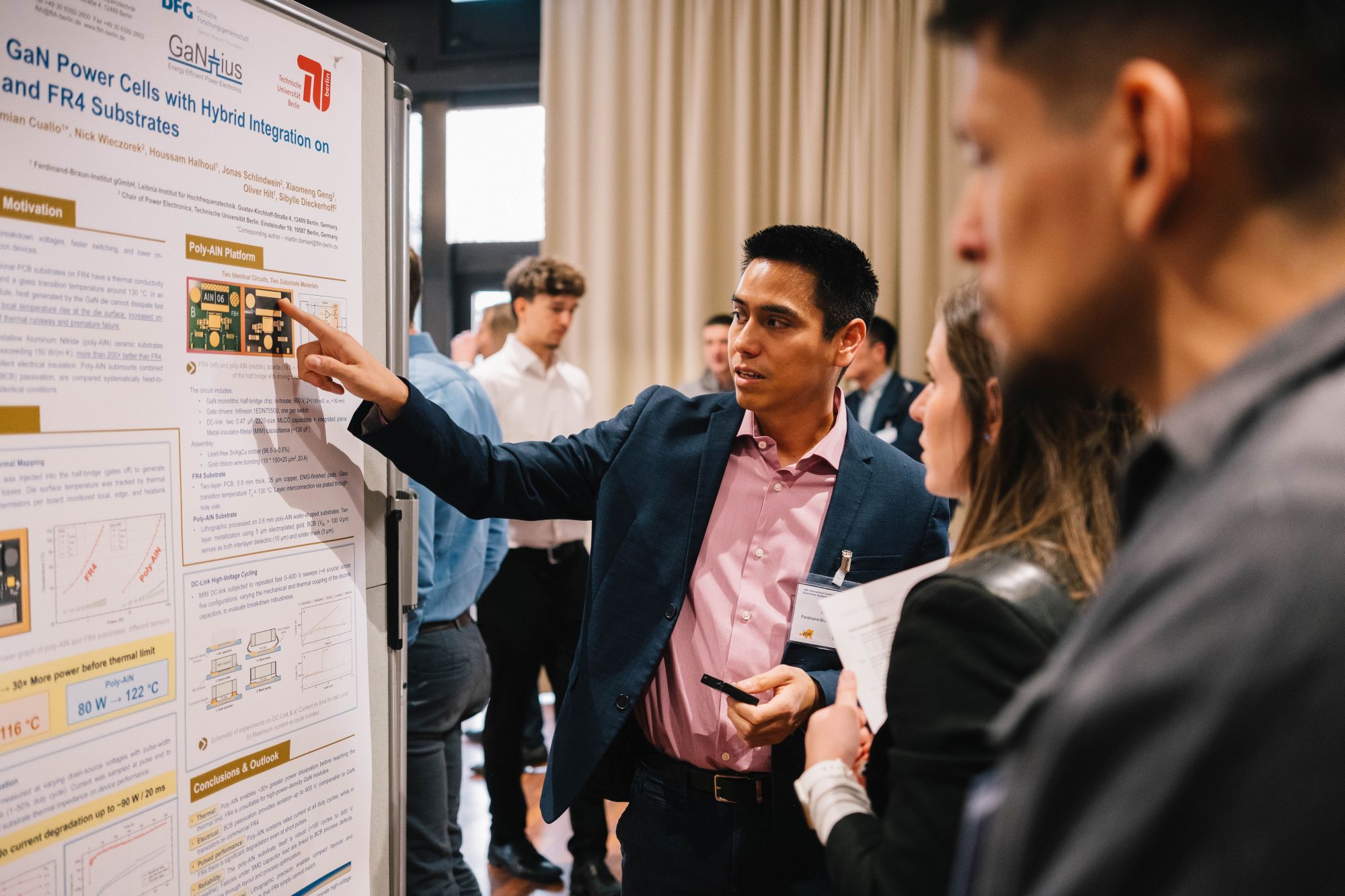
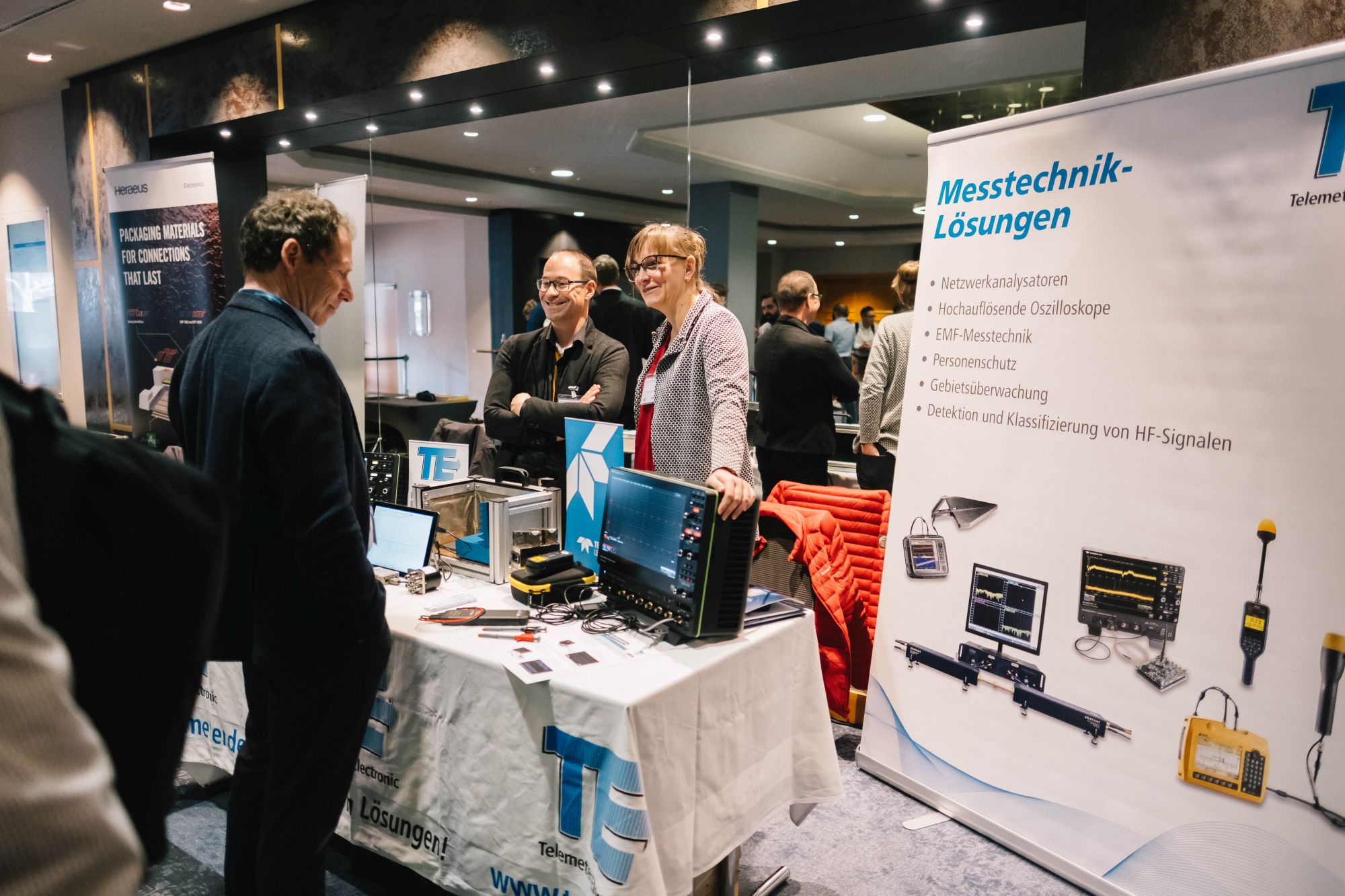
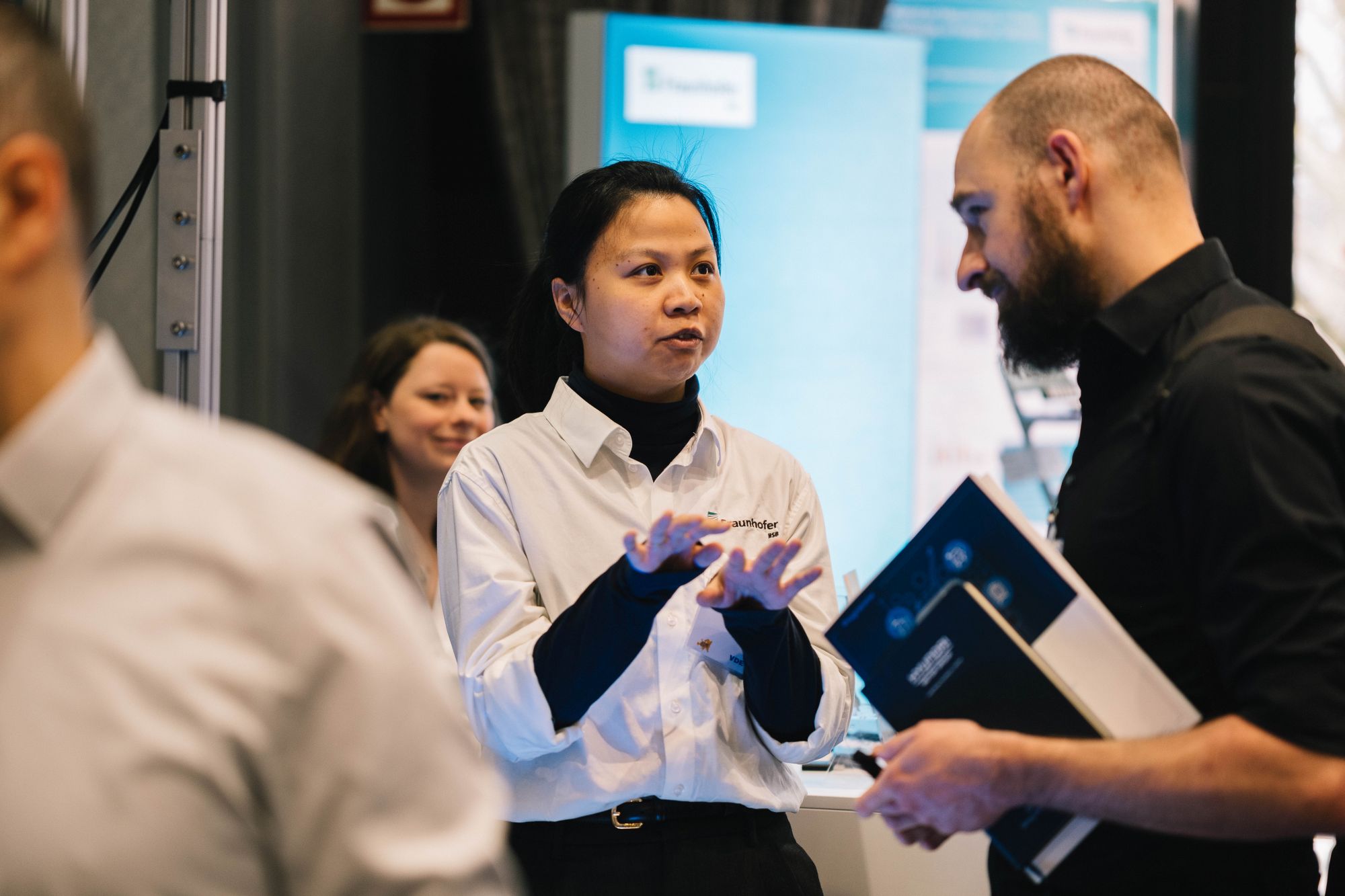
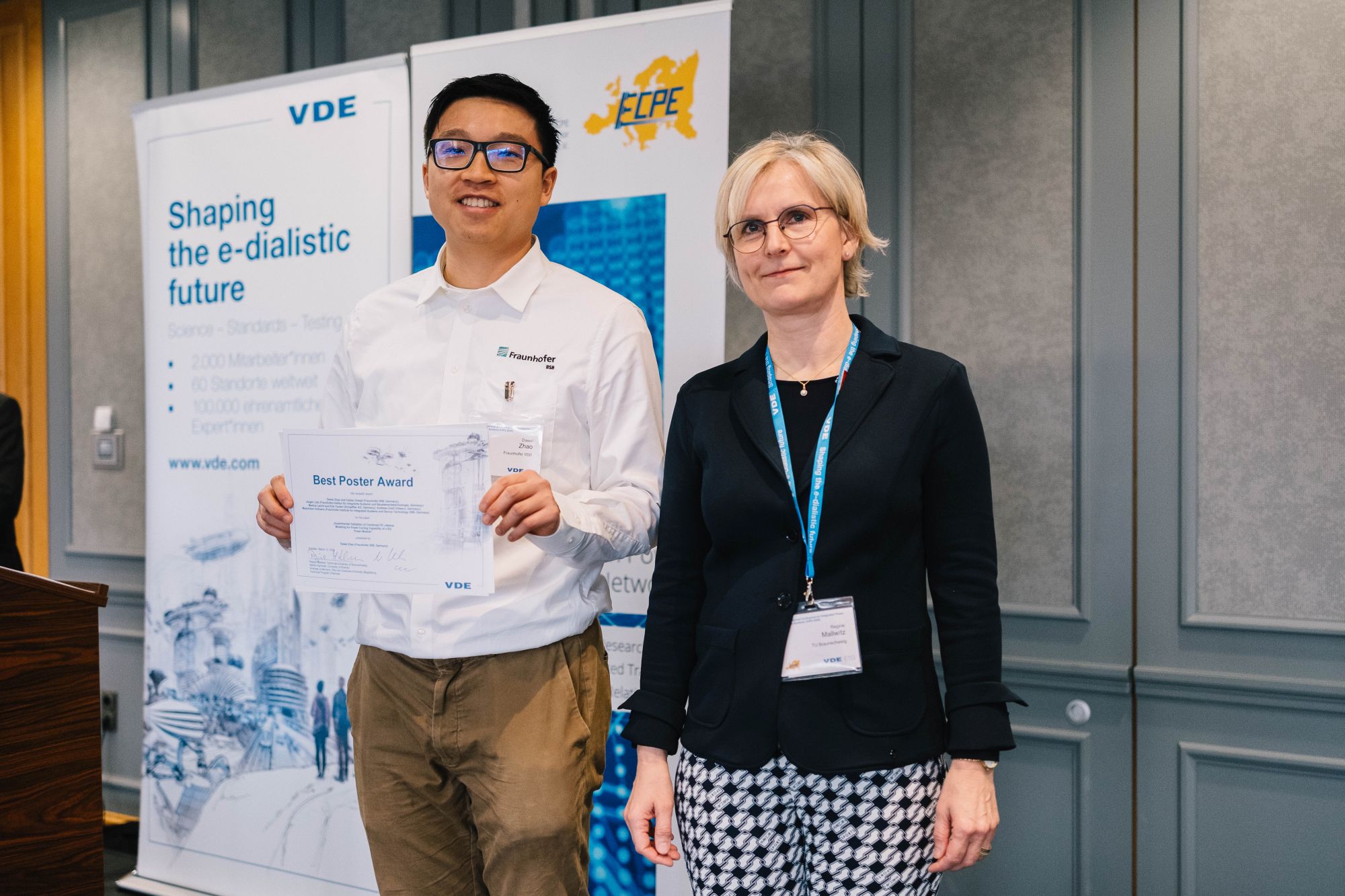
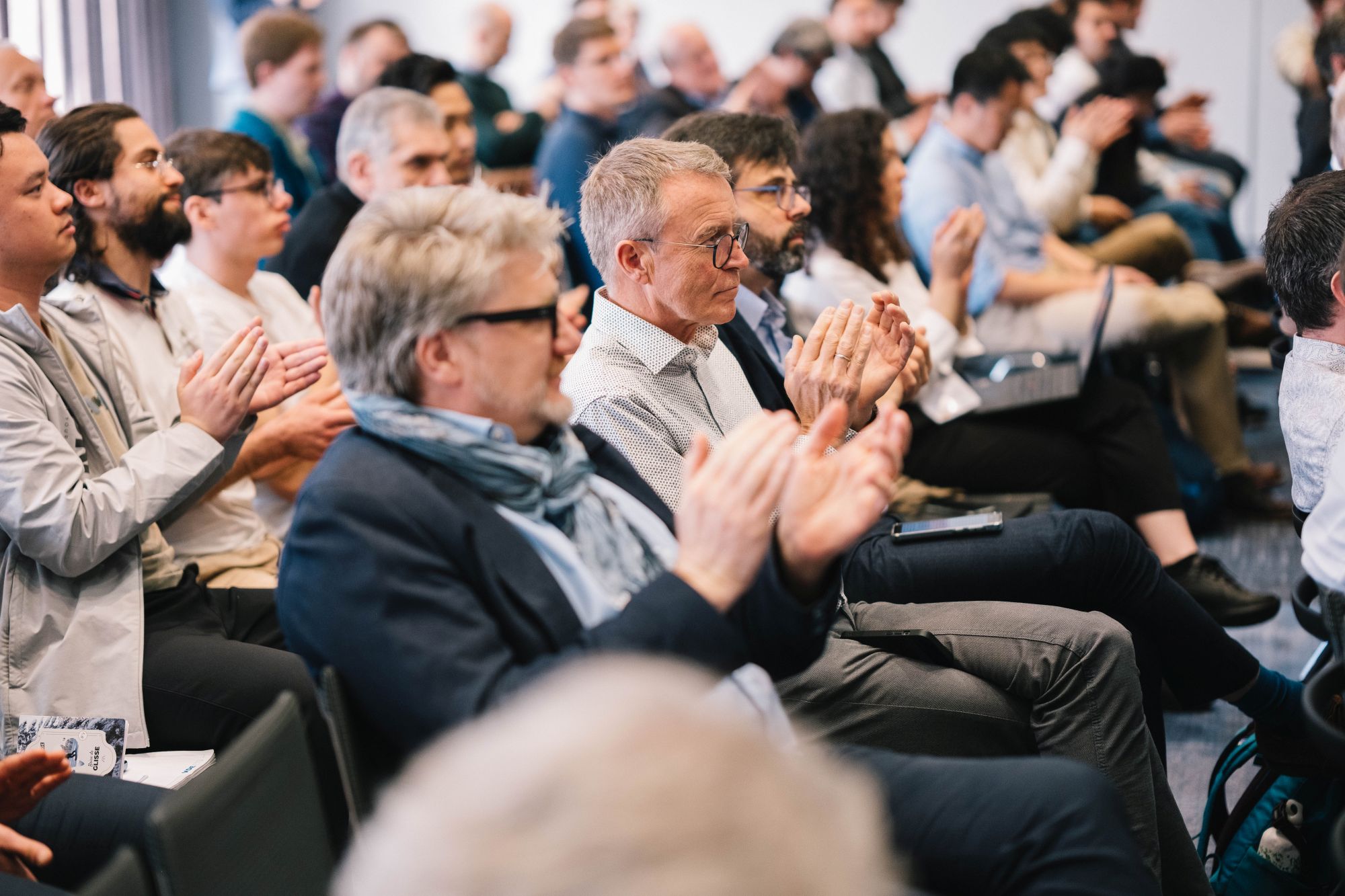
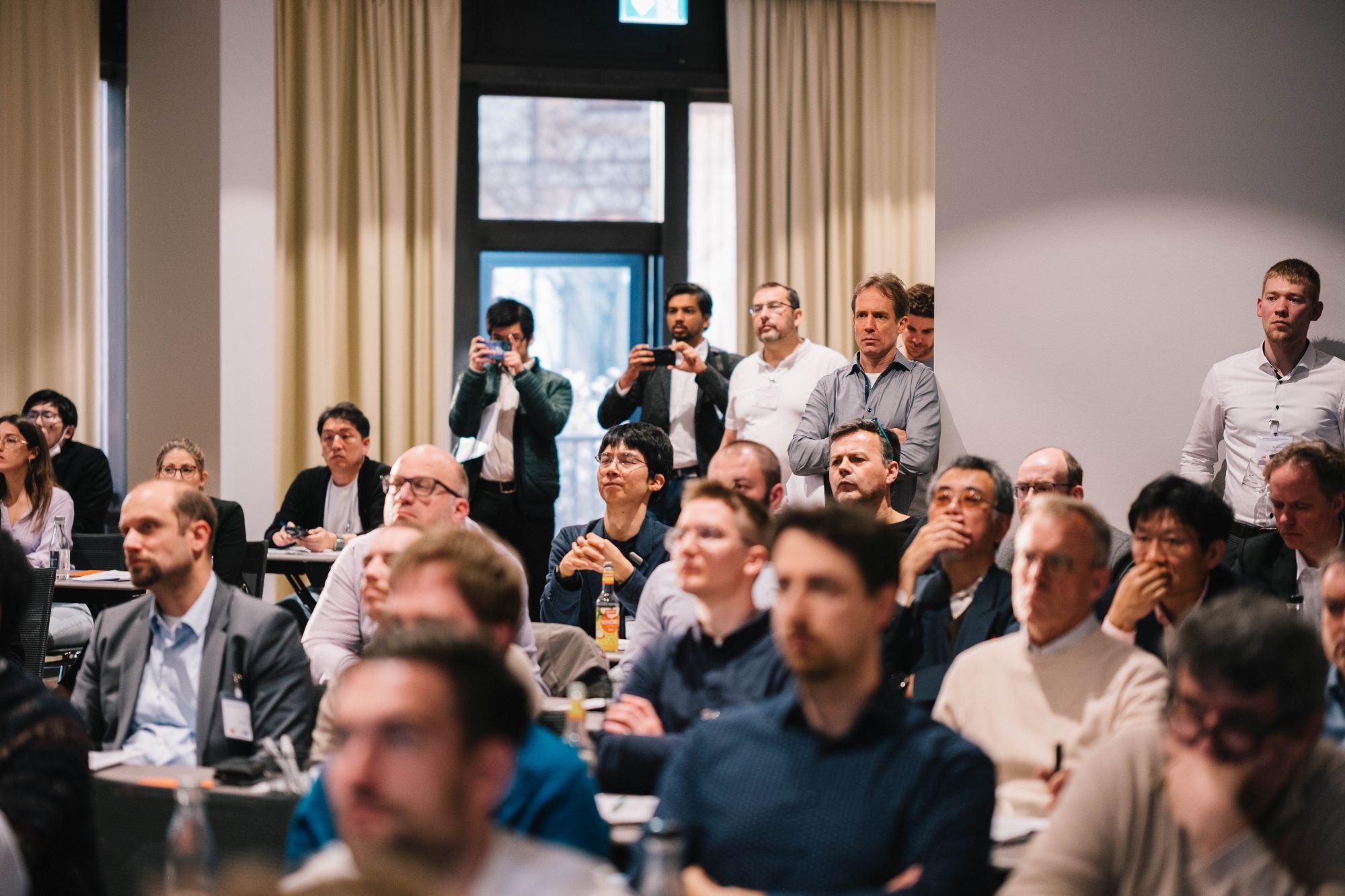
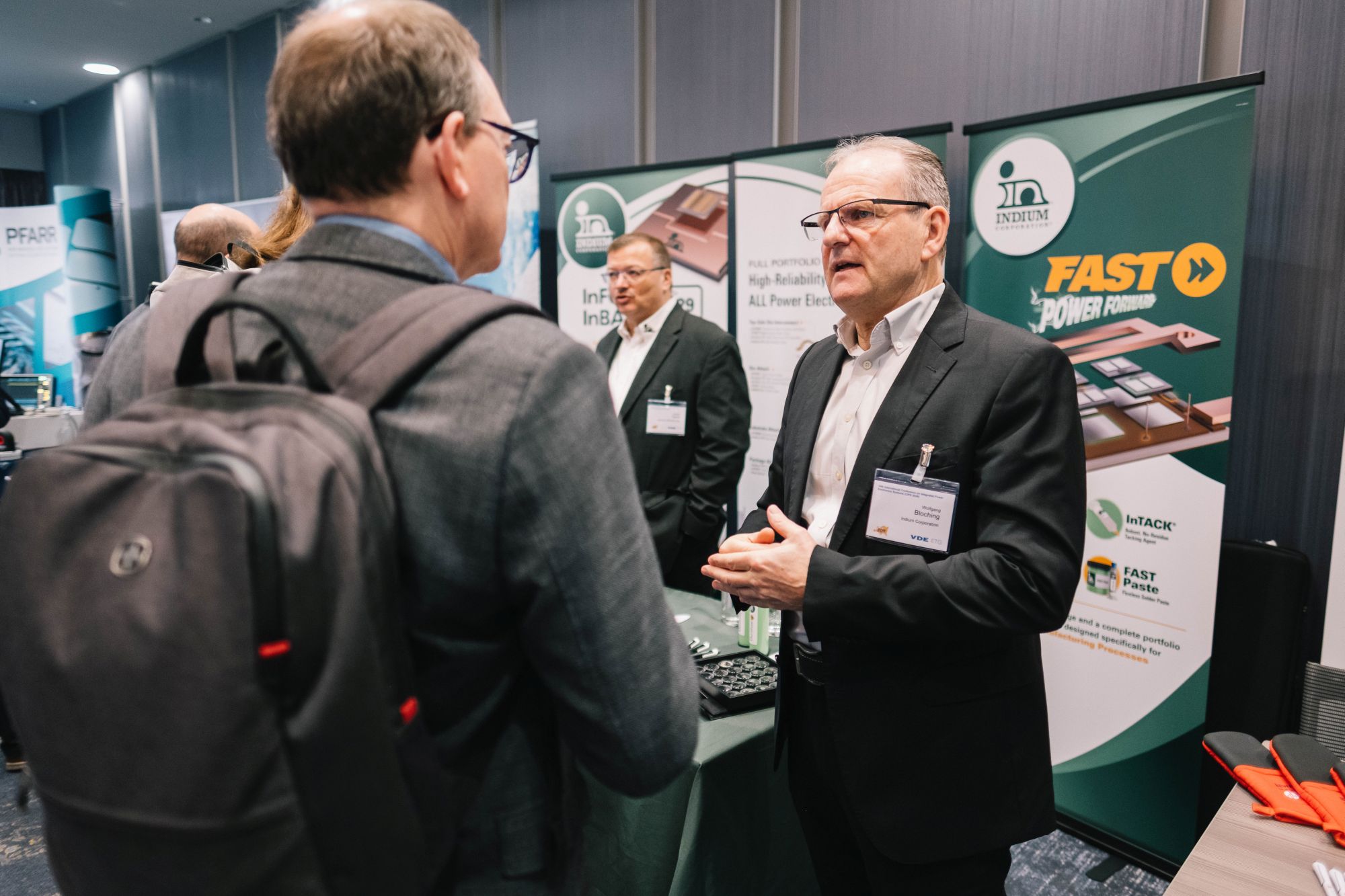
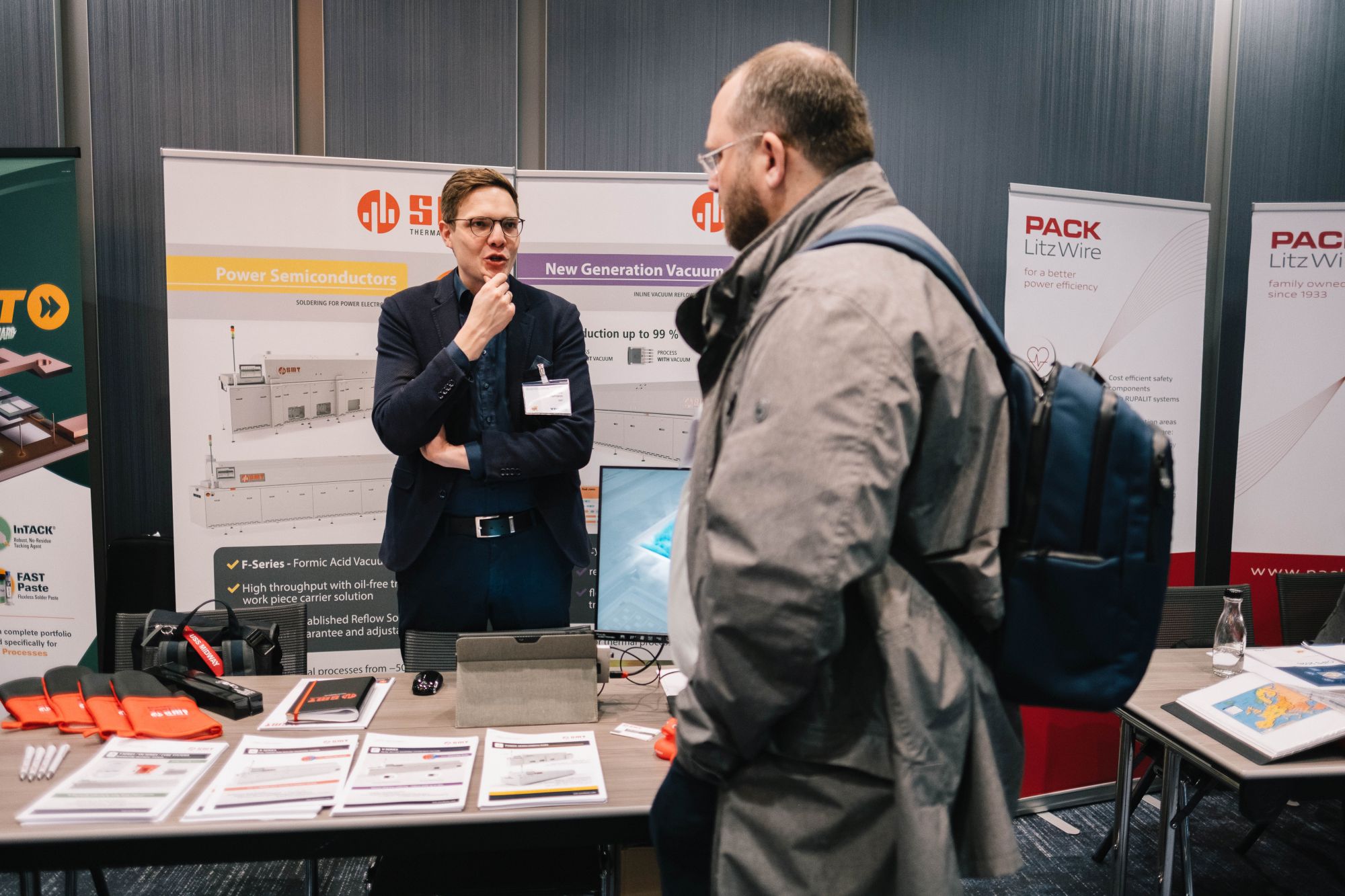
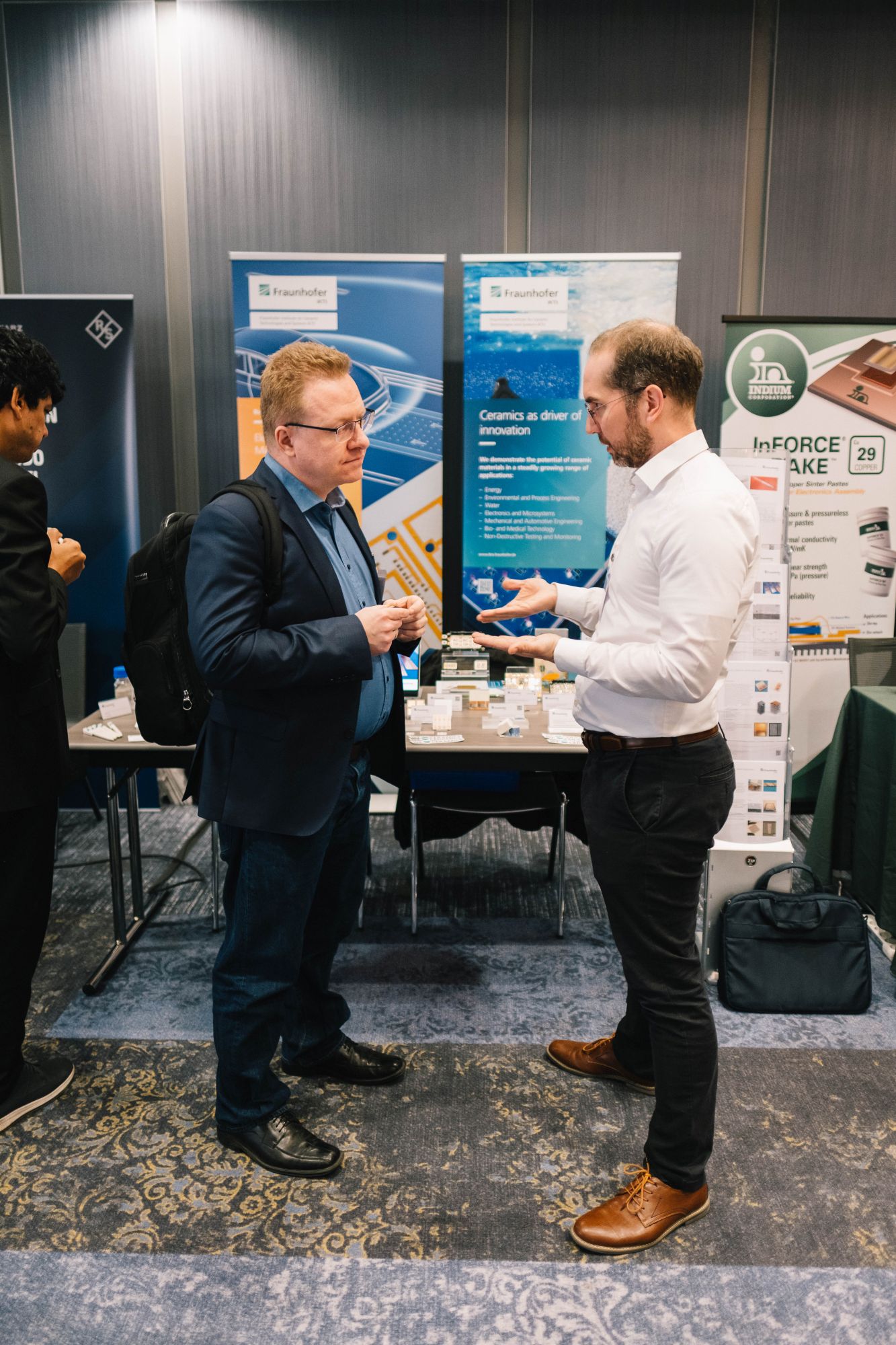
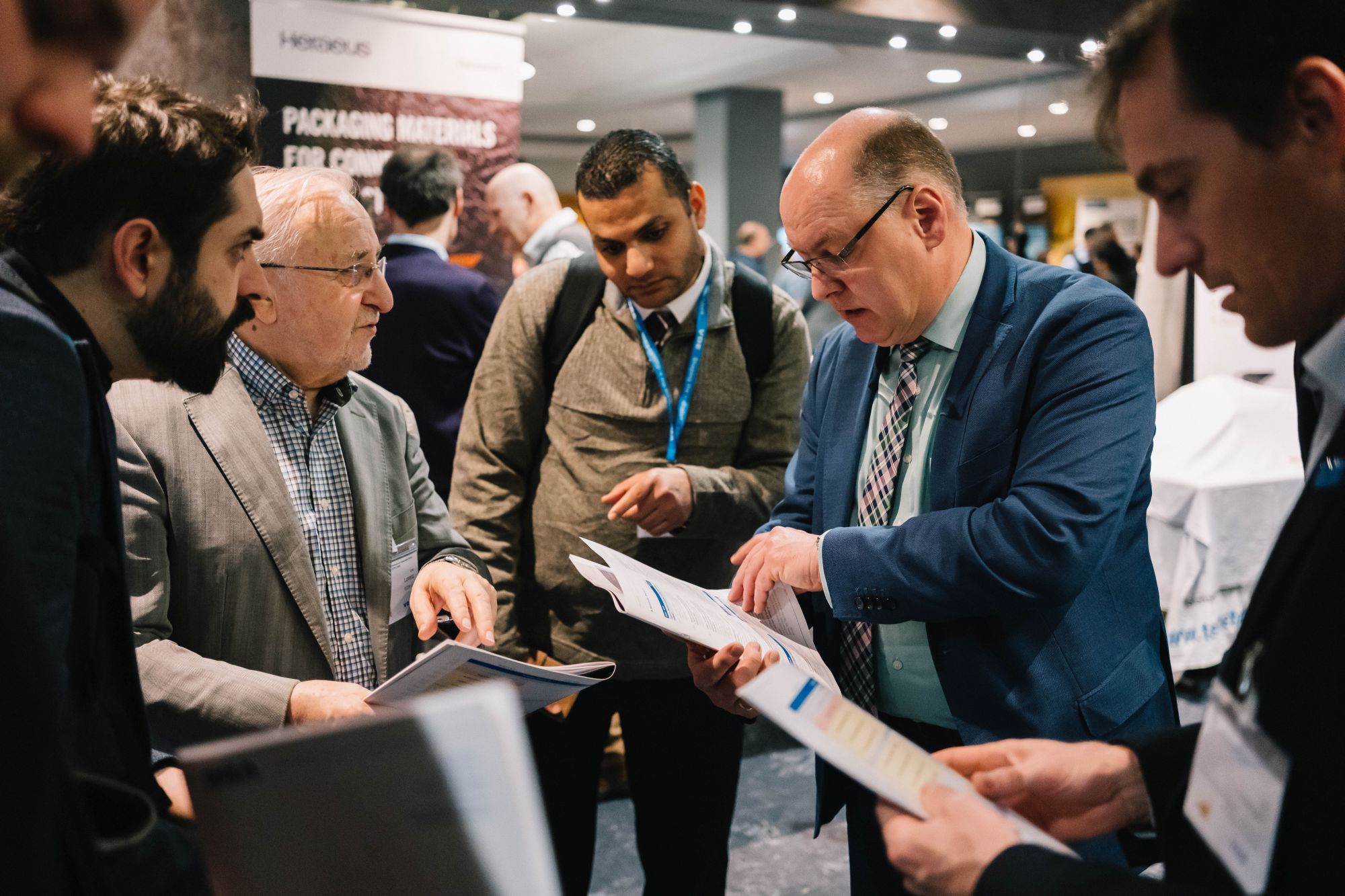
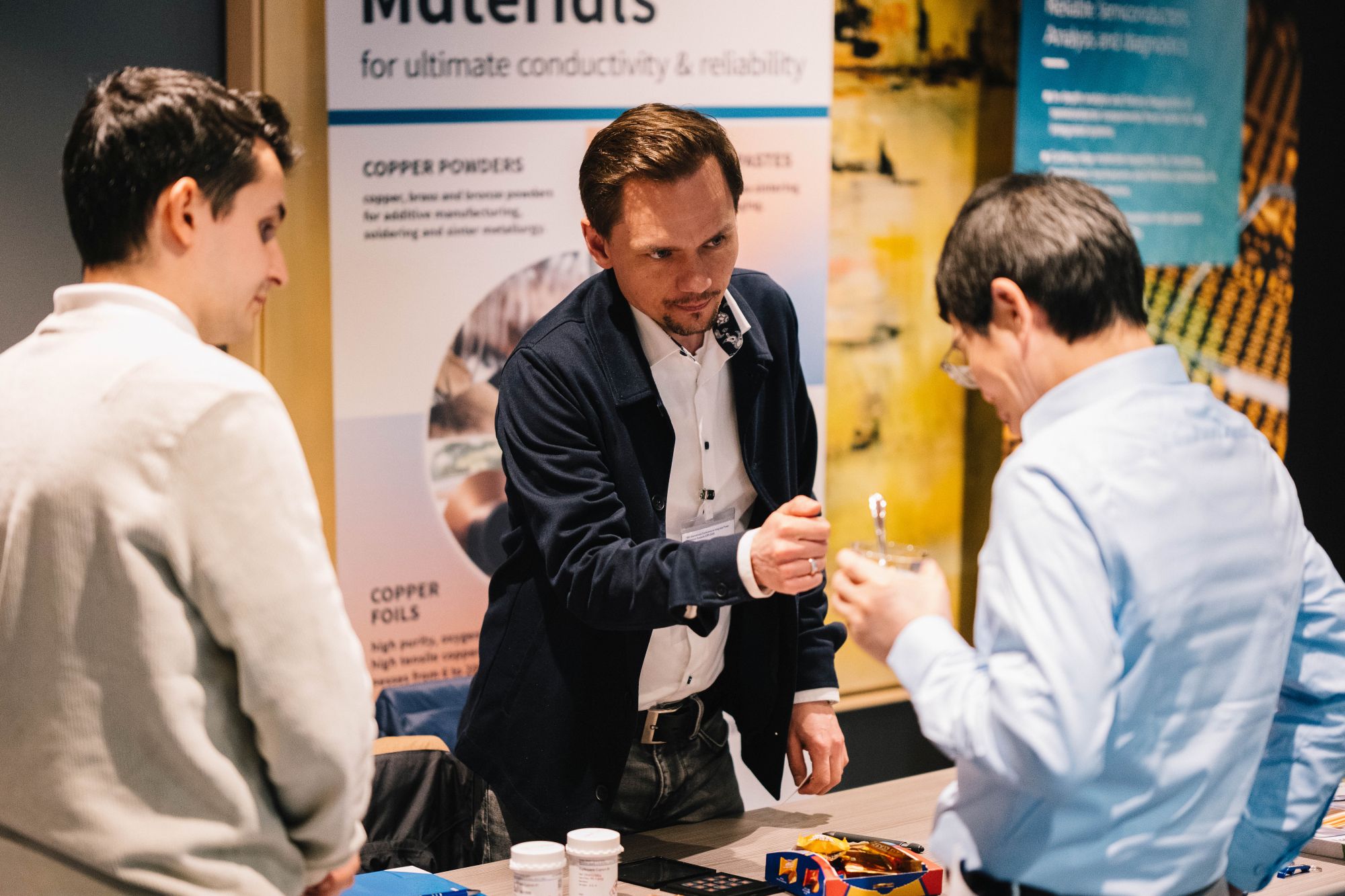
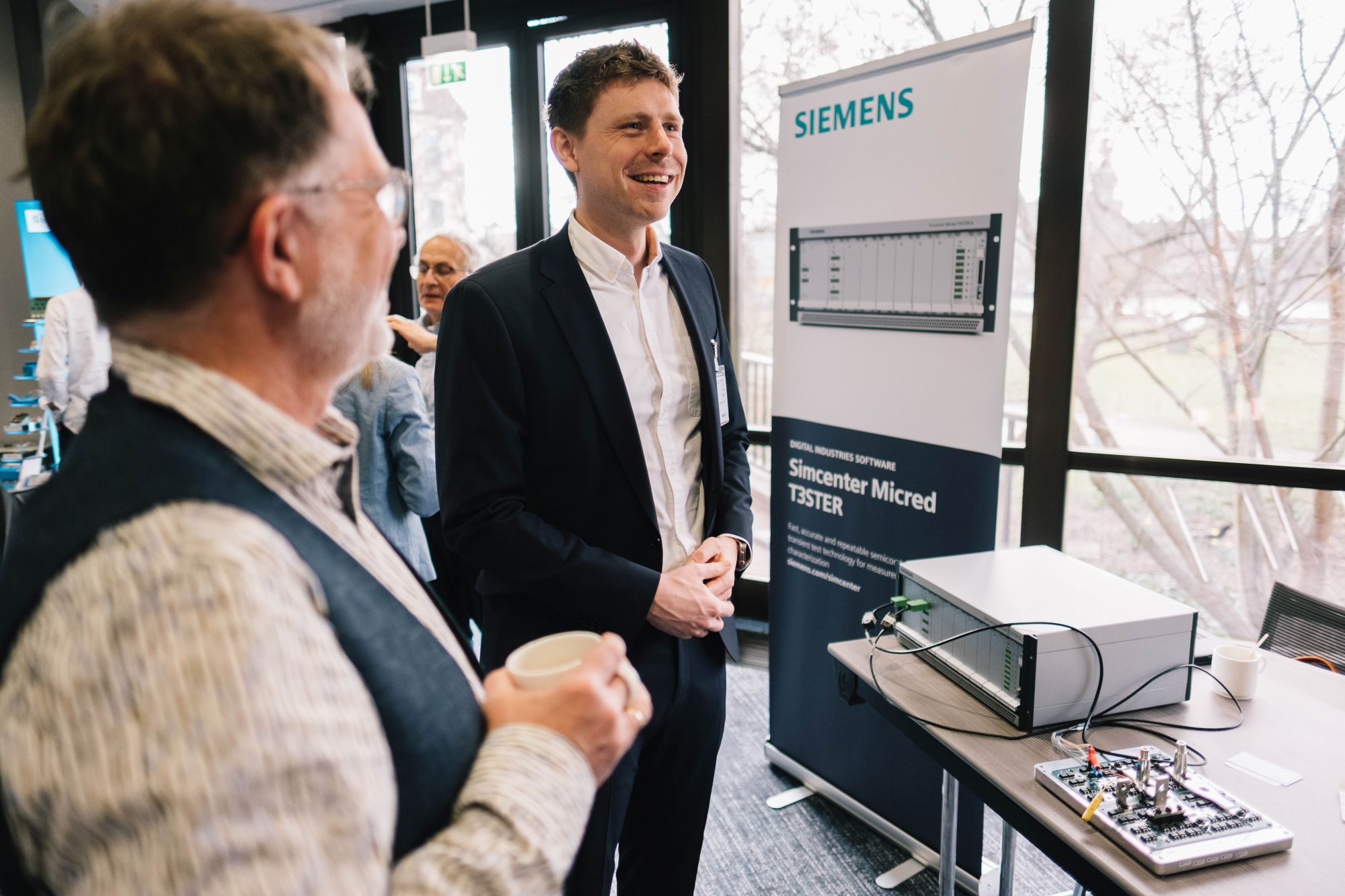
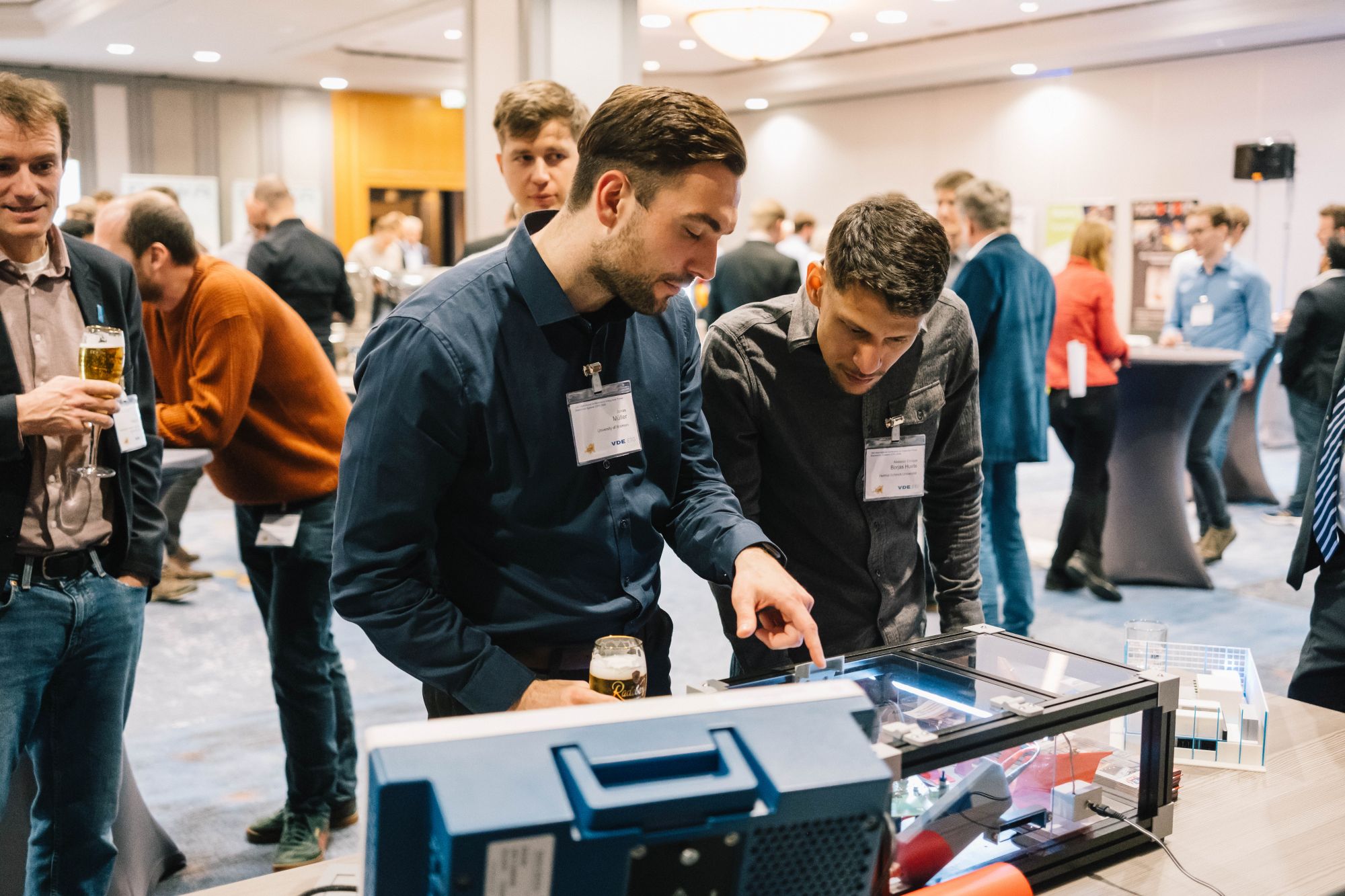
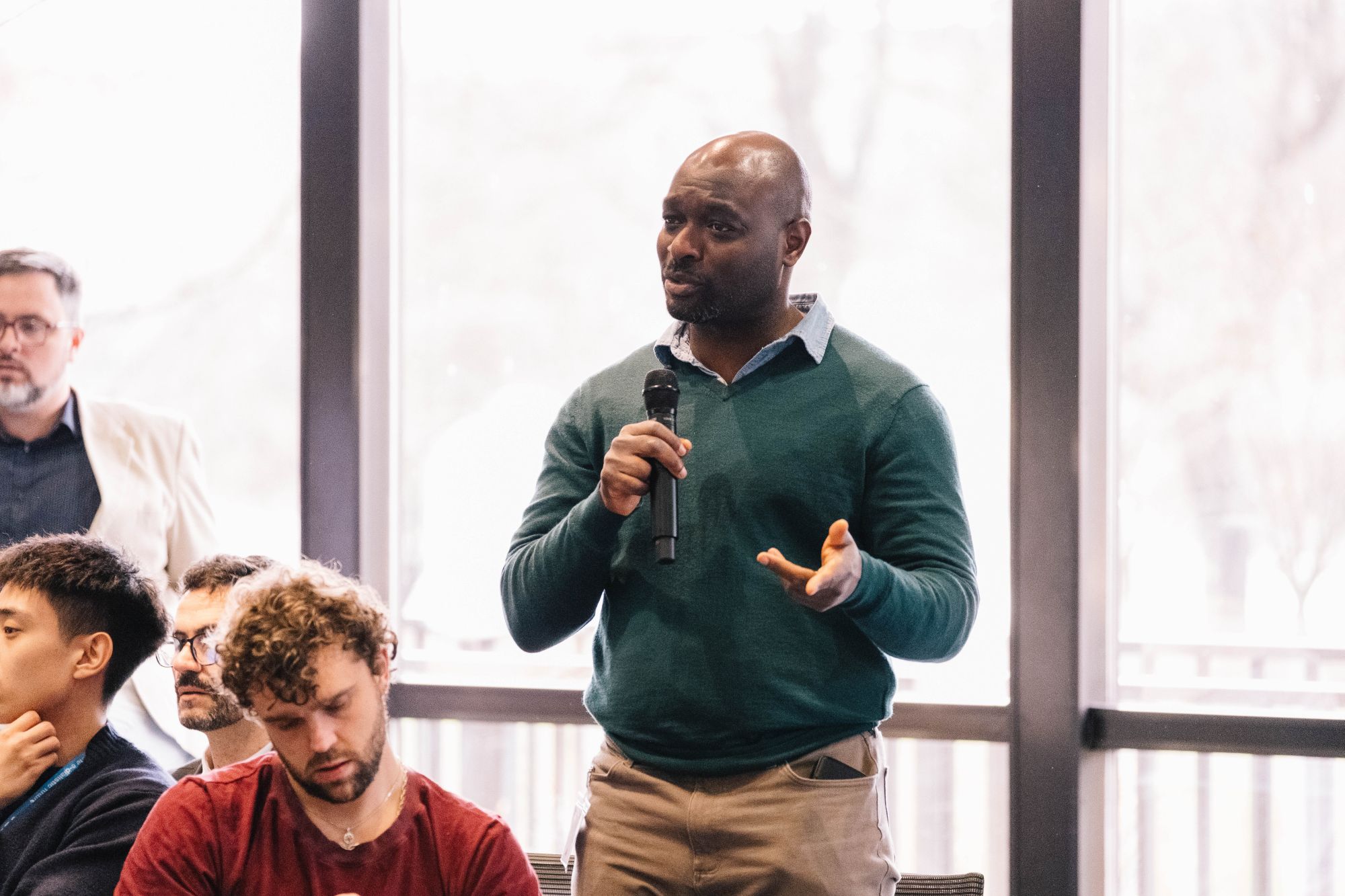
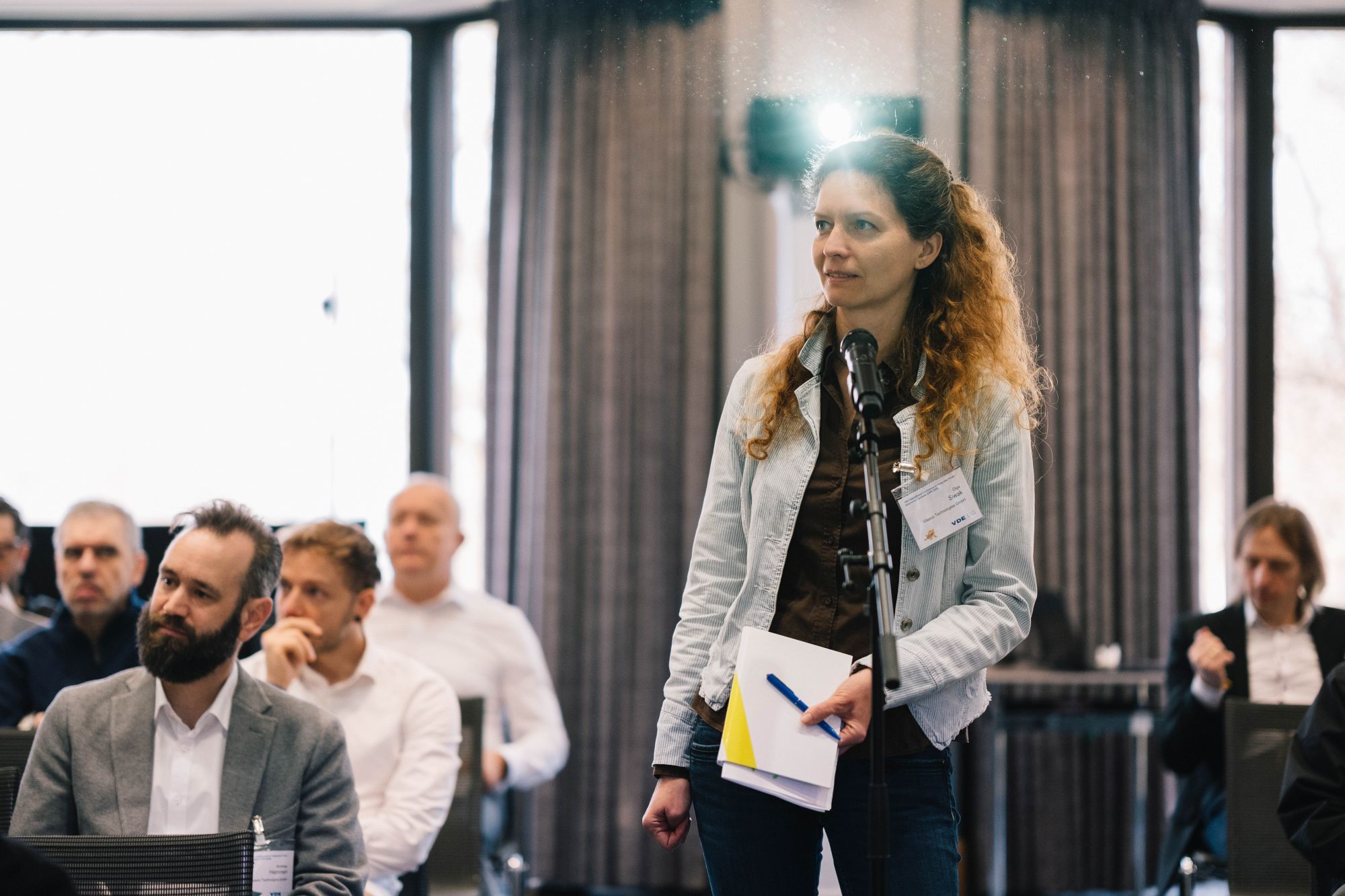
With more than 250 experts from around the world, CIPS 2026 once again proved indispensable as a forum for scientific exchange and industrial dialogue. The accompanying technical exhibition, with 18 participating companies and organizations, presented concrete power electronics products and technologies and thus formed an ideal complement to the oral presentations and poster sessions. In particular, the exhibitor booths provided a valuable setting for intensive face‑to‑face discussions, where personal and technical exchange between industry and academia was especially vivid.
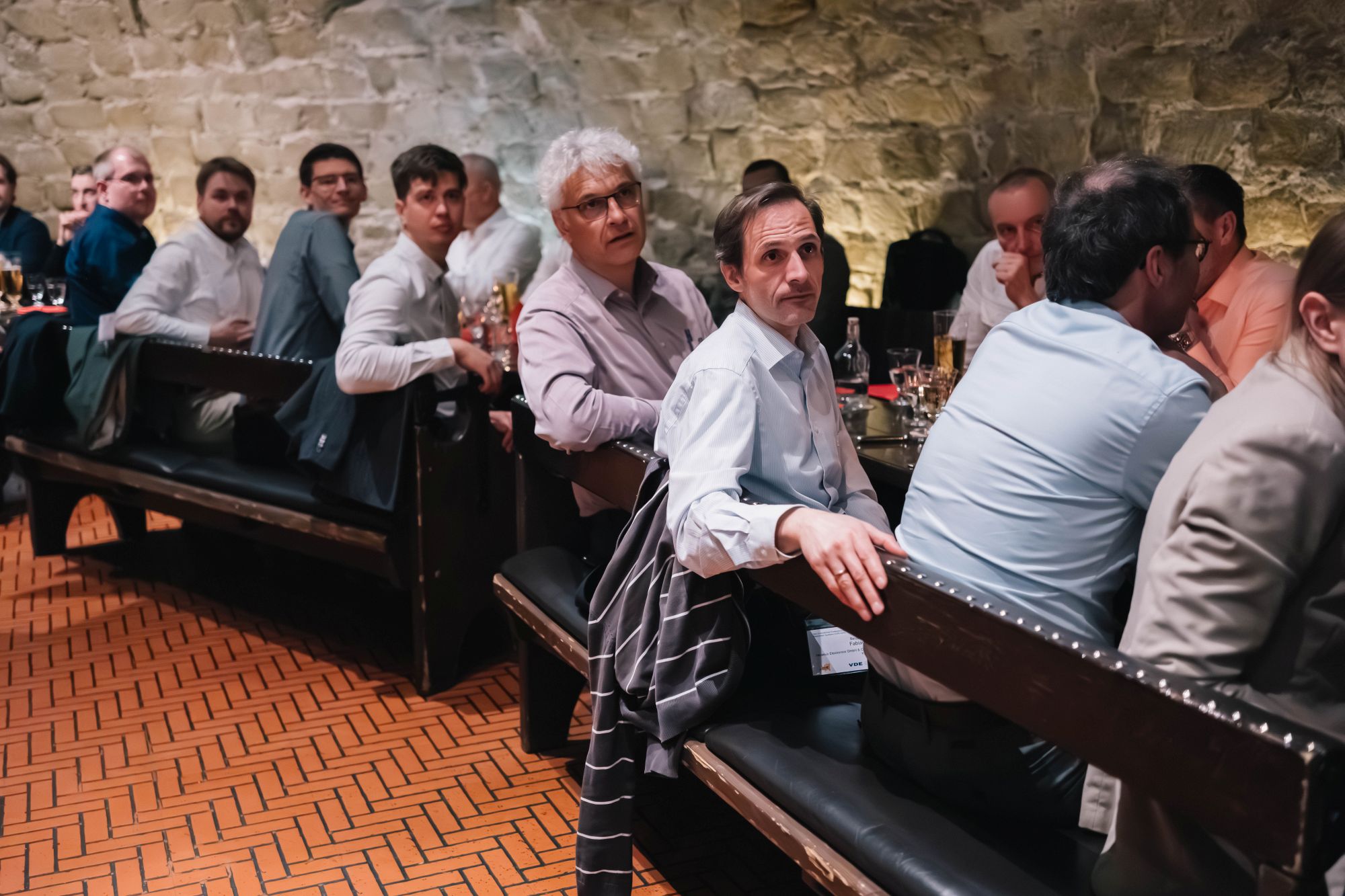
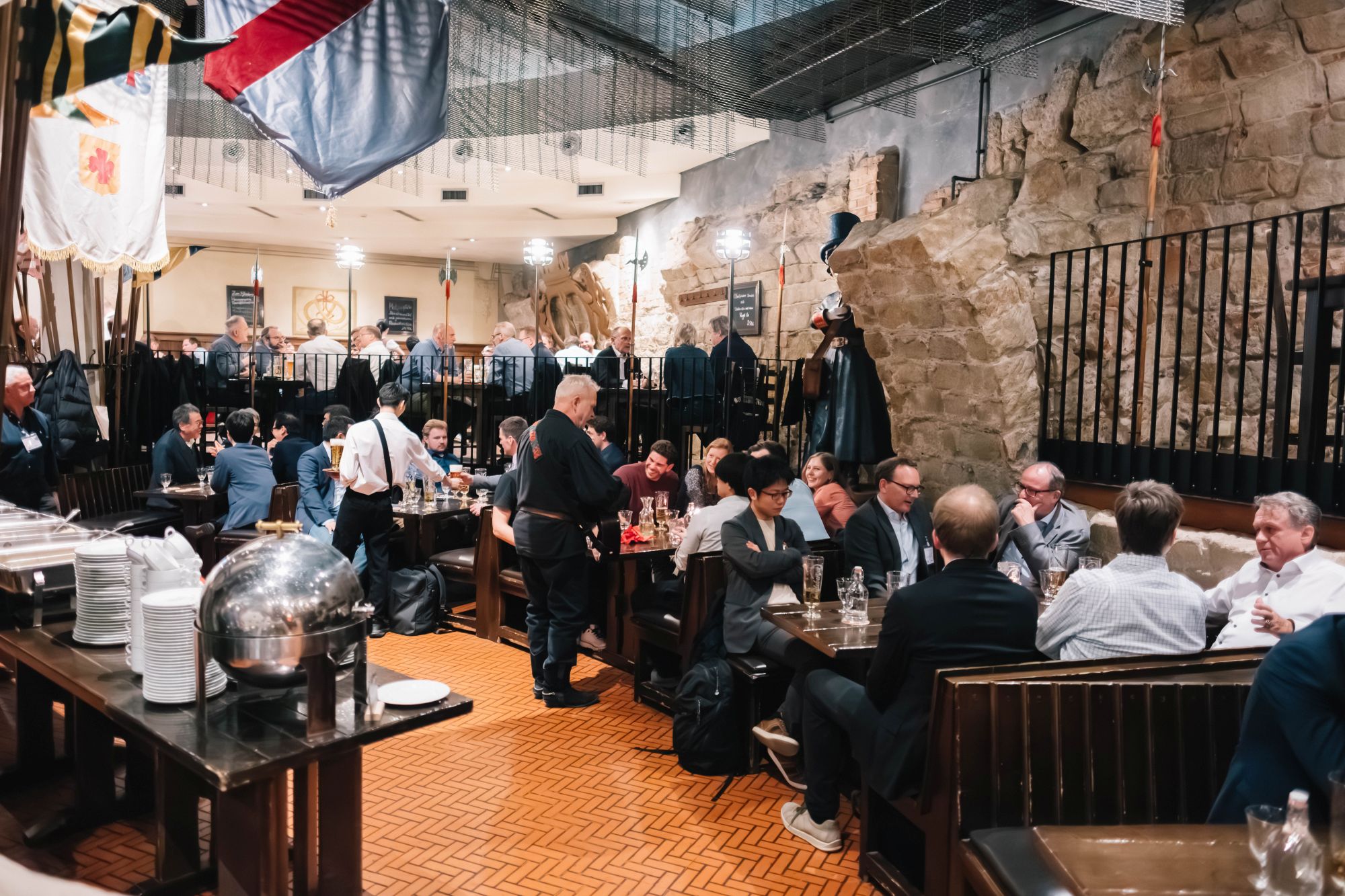
The value of this professional community became particularly apparent on the second conference day, when a large‑scale bomb disposal operation in Dresden delayed the start of the technical programme until late afternoon. This situation demanded a high degree of flexibility from all involved, which was met with remarkable professionalism and cooperation. A memorable highlight of the day was the conference dinner in the historic Pulverturm, offering an excellent opportunity for informal networking.
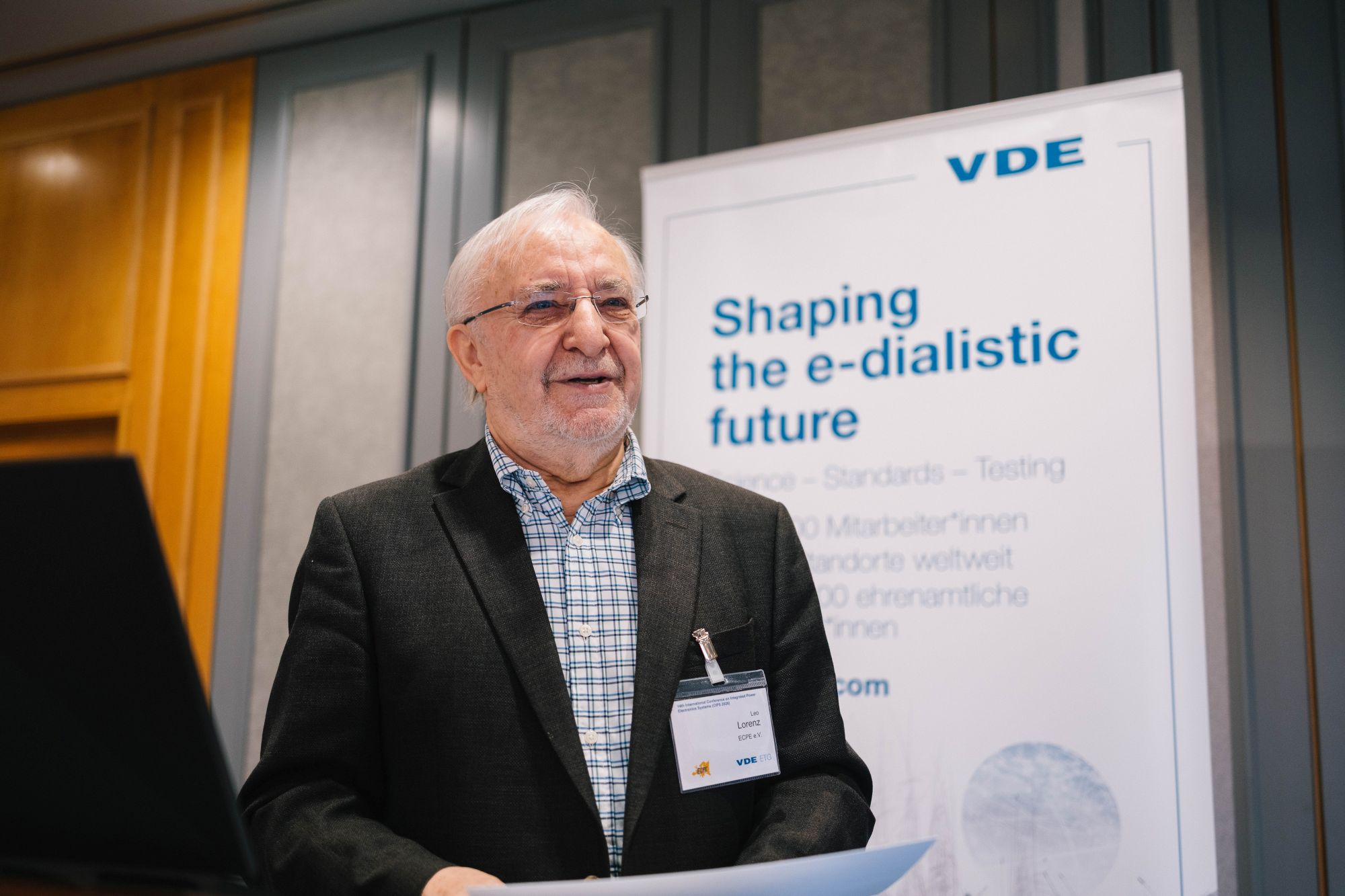
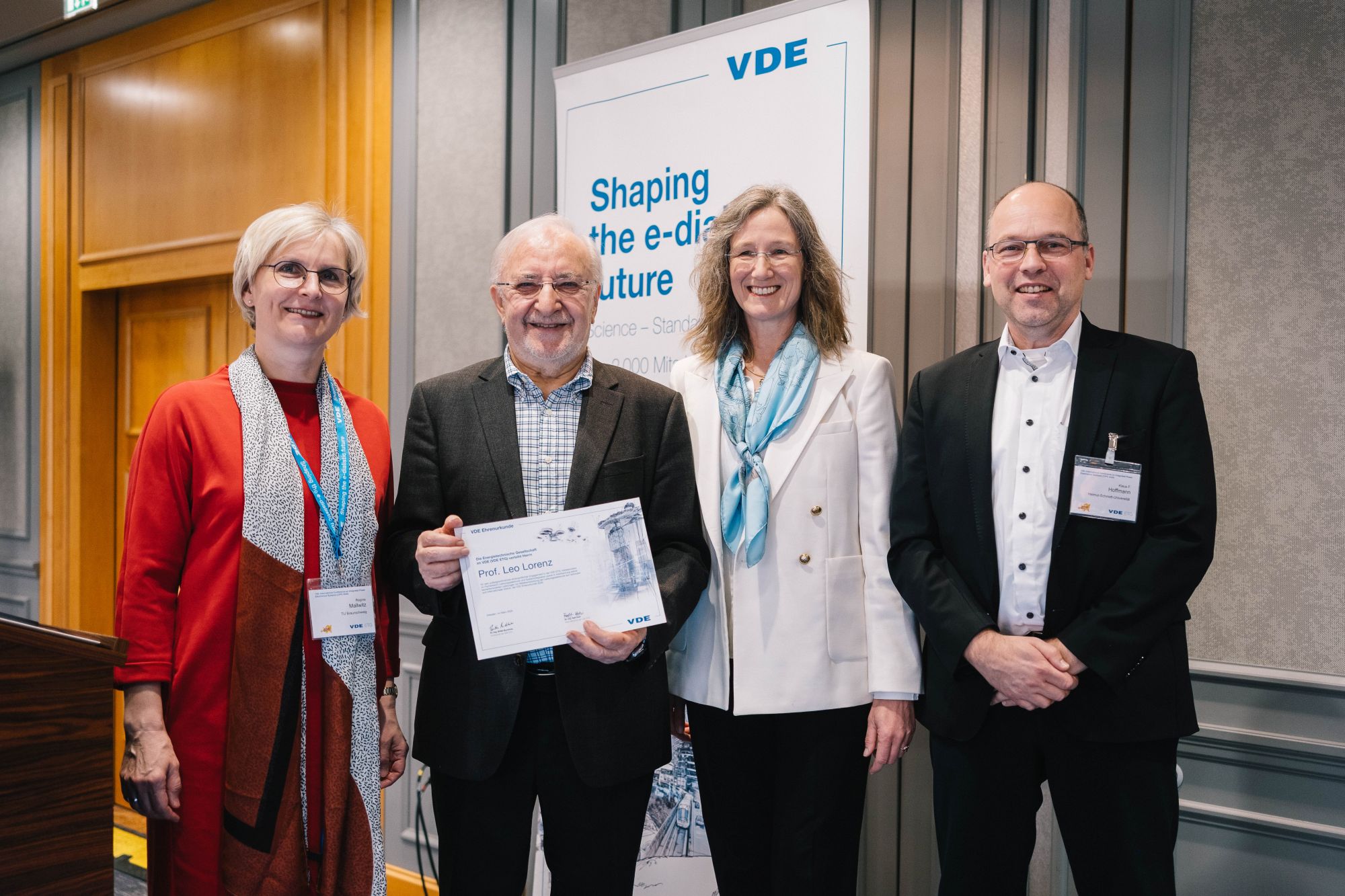
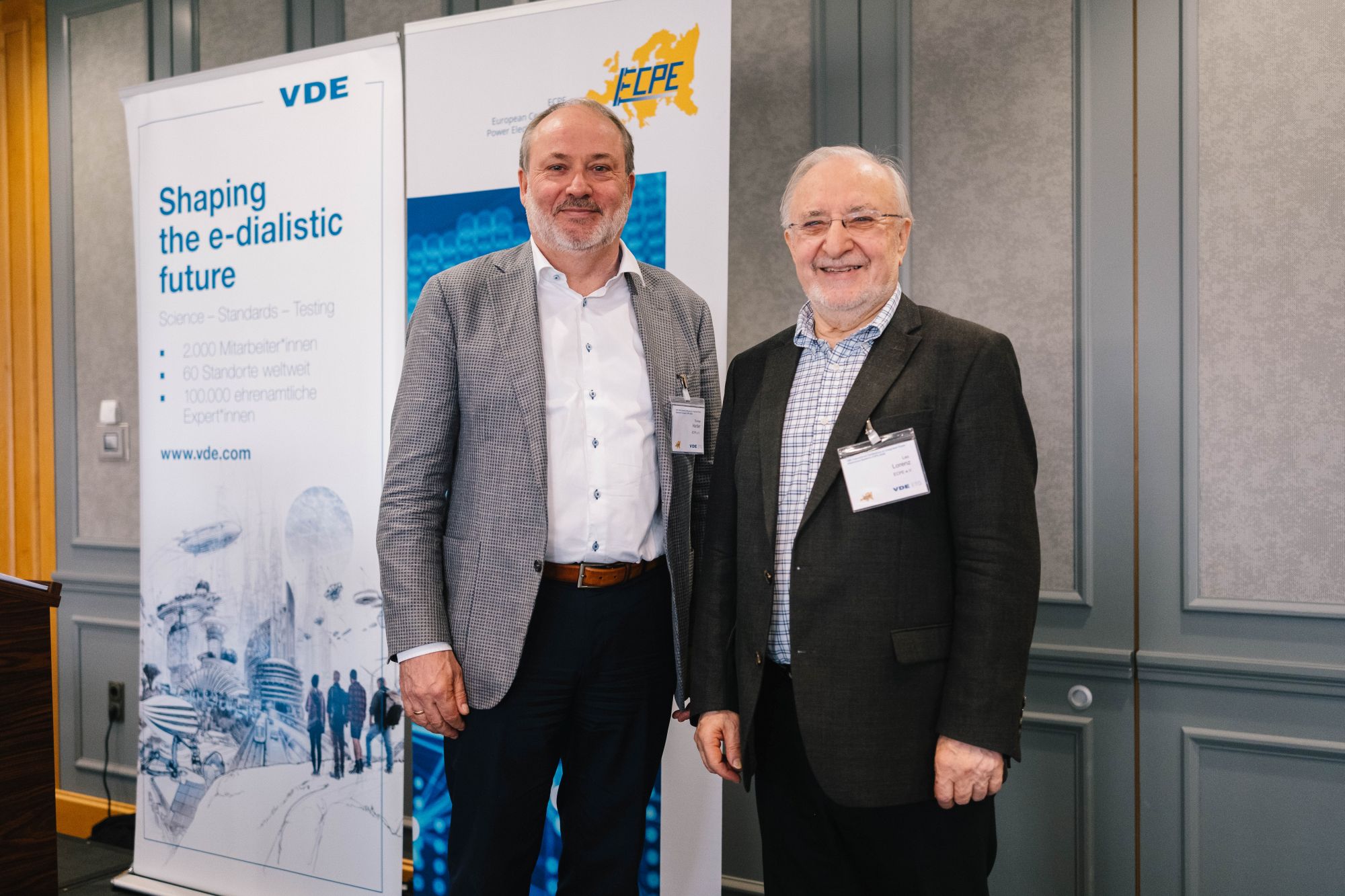
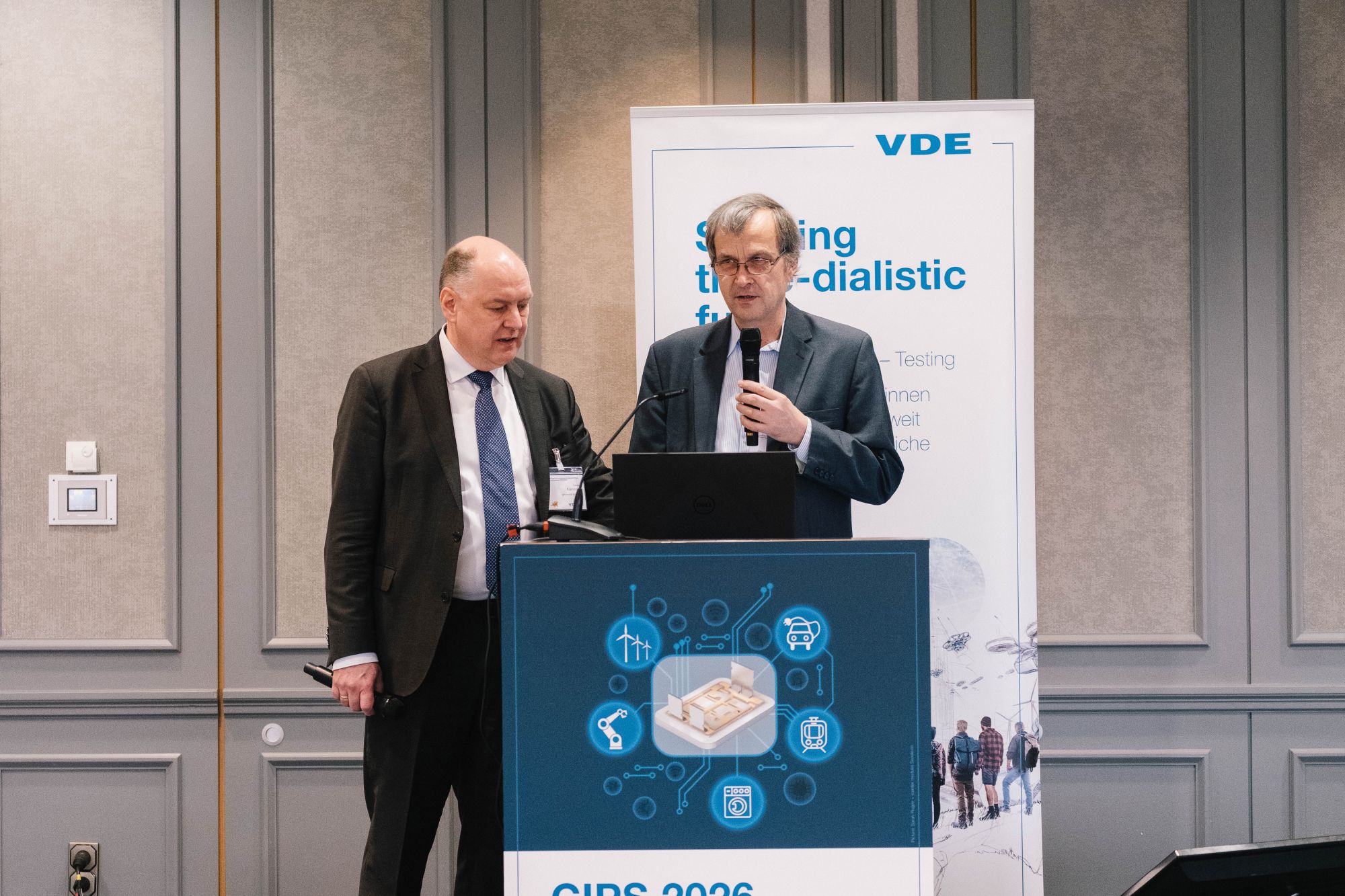
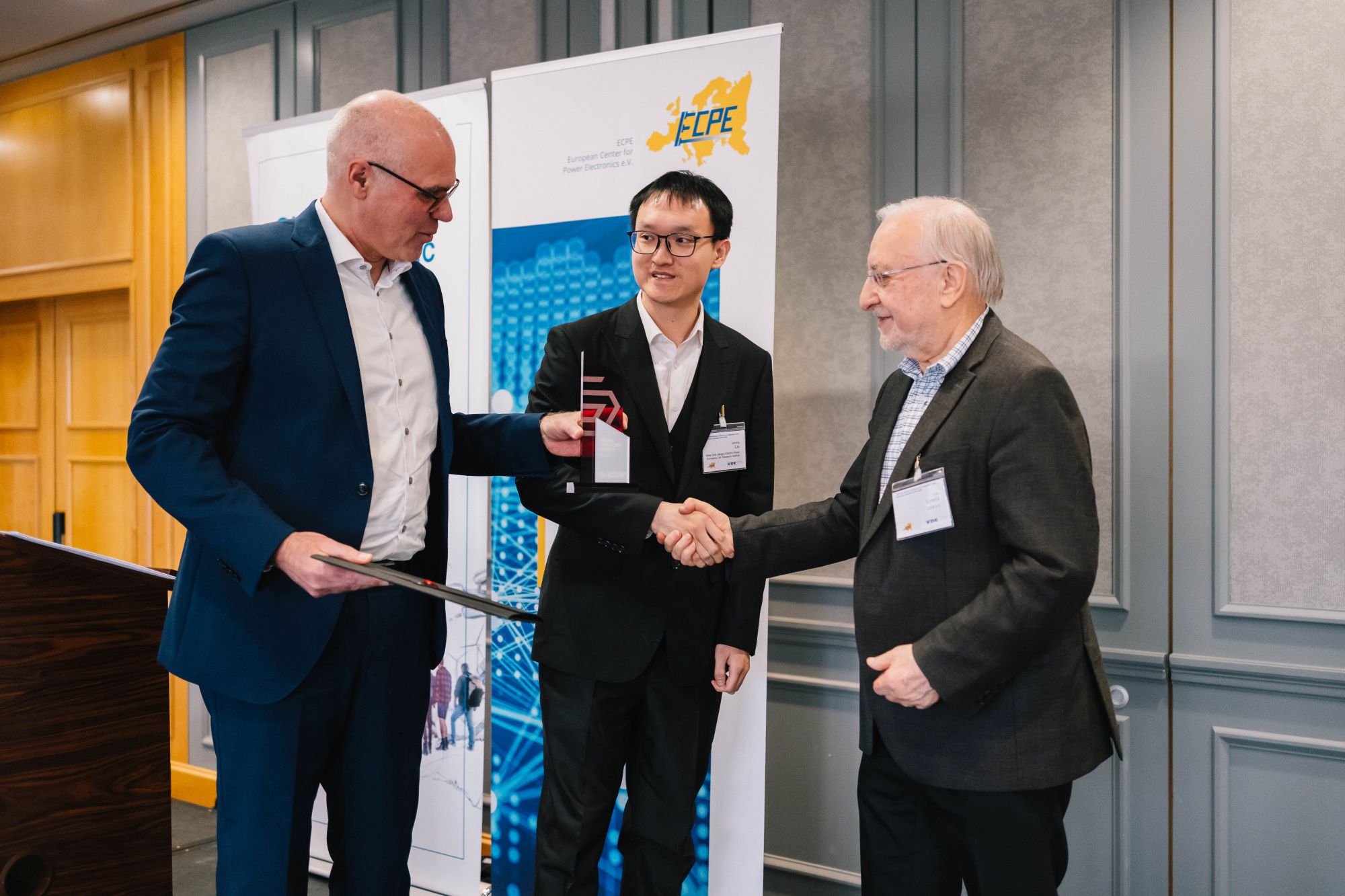
A special expression of gratitude goes to the Technical Chairmen Nando Kaminski and Andreas Lindemann, the General Chairmen Leo Lorenz and Thomas Harder, the Topic Chairpersons, the members of the Technical Programme Committee, and - above all - the authors. Without their commitment, expertise, and contributions, CIPS 2026 would not have been possible.